 English
 简体中文
Two dealers quote forklifts for the same loading dock. One recommends a sit-down rider truck with cushion tires; the other suggests a walk-behind electric pallet truck with a lithium battery. Both are technically forklifts, but they belong to different classes, and that distinction drives training requirements, aisle clearances, floor protection, and total cost of ownership. Forklift classification exists to make those differences explicit instead of letting them surface as surprise expenses later.
The practical takeaway is simple: before comparing prices or battery options, identify which of the seven OSHA classes fits the work. Choose the class first, then compare specifications within that class.
What the Seven OSHA Forklift Classes Actually Mean
Forklift classification is not a marketing exercise. It is a structured system used by OSHA in the United States and CSA in Canada to group powered industrial trucks by three factors: power source, operator position, and tire type. Those three factors drive almost every other decision, from the width of the aisle to the type of floor the truck can handle.
| Class | Power Source | Operator Position | Tires | Typical Application |
|---|---|---|---|---|
| Class I | Electric motor | Rider, sit-down or stand-up | Cushion or pneumatic | Warehouses, loading docks, general material handling |
| Class II | Electric motor | Rider | Cushion or solid | Narrow aisles, racking systems, order picking |
| Class III | Electric motor | Walk-behind or rider | Cushion or solid | Pallet transport, low-level stacking, towing |
| Class IV | Internal combustion | Rider | Cushion | Smooth indoor and outdoor surfaces |
| Class V | Internal combustion | Rider | Pneumatic | Outdoor yards, lumber, construction staging |
| Class VI | Electric or internal combustion | Rider | Cushion or pneumatic | Trailer towing, yard transport |
| Class VII | Internal combustion, diesel or gasoline | Rider | Pneumatic | Rough terrain, agriculture, construction |
Notice the pattern. Classes I, II, and III are electric, which gives them zero tailpipe emissions, low noise, and precise control indoors. Classes IV and V use internal combustion engines and differ mainly by tire type: cushion tires suit smooth ground, while pneumatic tires handle uneven yards. Class VII is a separate family designed for terrain that would stop an ordinary warehouse truck.
A Class III walkie pallet truck and a Class I counterbalance forklift can work in the same building, but they are not interchangeable. The classification tells you which family a truck belongs to, not whether one is better than another.
Why Classification Affects Training and Compliance
Classification is not only a technical label. It is tied directly to operator training requirements. Under OSHA 1910.178, training must cover the specific type of powered industrial truck the operator will use. A certificate for a Class I rider truck does not automatically qualify an operator for a Class VII rough terrain unit, and the reverse is equally true.
Training content has to match the operating characteristics of the class, including stability, steering behavior, load handling, and the hazards of the work environment. This is one reason buyers should keep classification records simple and consistent. When a facility runs several classes, the training matrix grows alongside the fleet.
Classification also shapes facility planning. Electric classes require charging infrastructure; IC classes need fuel storage and ventilation. Narrow aisle trucks depend on engineered racking layouts, and walk-behind pallet trucks require enough floor space for pedestrian operators. These are not minor details.
Matching the Right Class to the Real Operation
Start with the floor and the aisle, not with the brand. Three questions narrow the choice quickly: Is the work indoors or outdoors? Are the aisles wide enough for a counterbalance truck? Does the task involve lifting, transporting, or both?
- Indoor pallet racking up to roughly six meters: a Class II narrow aisle truck or order picker makes better use of the building cube.
- Loading docks, trailer loading, and staging areas: a Class I rider forklift gives the speed and visibility that dock work demands.
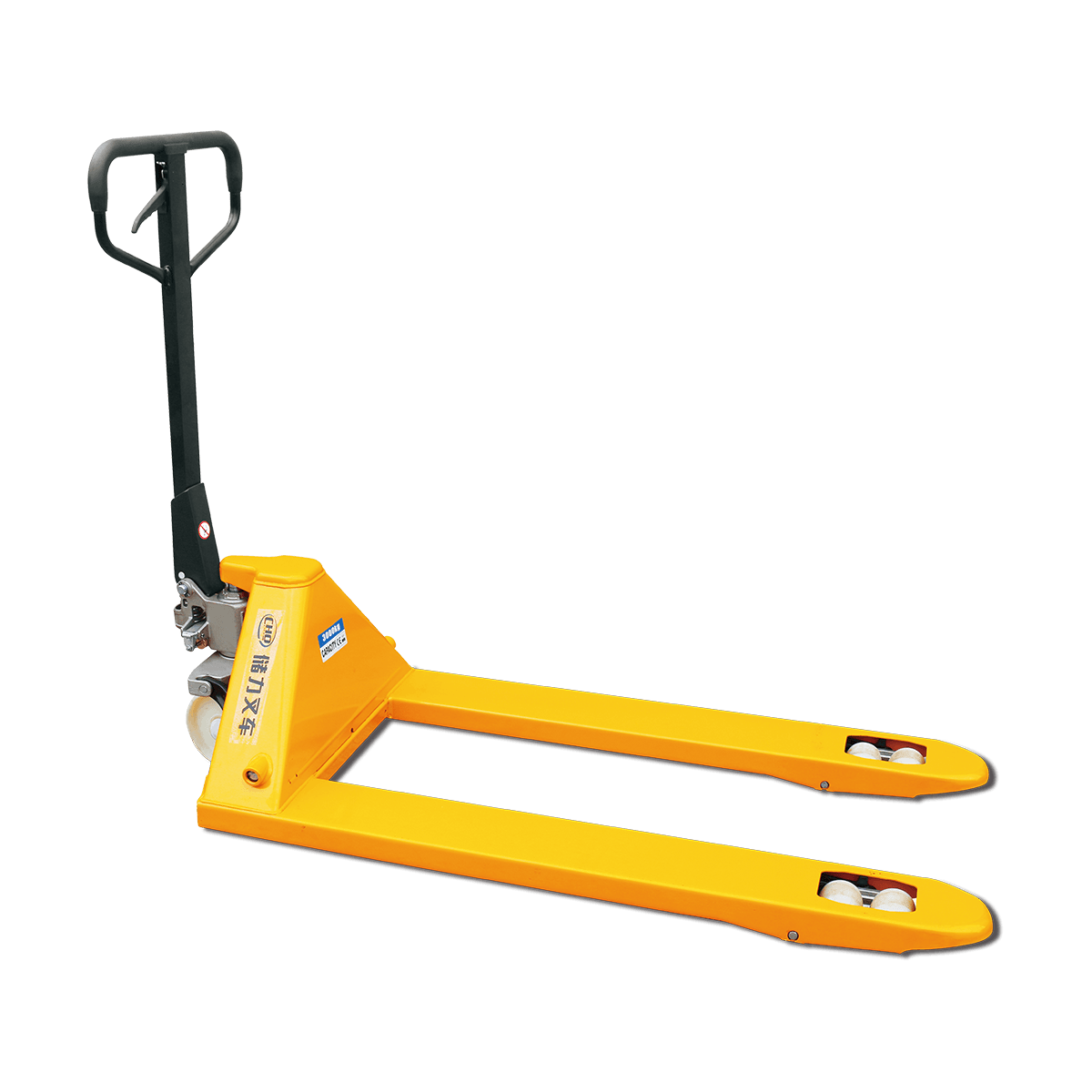
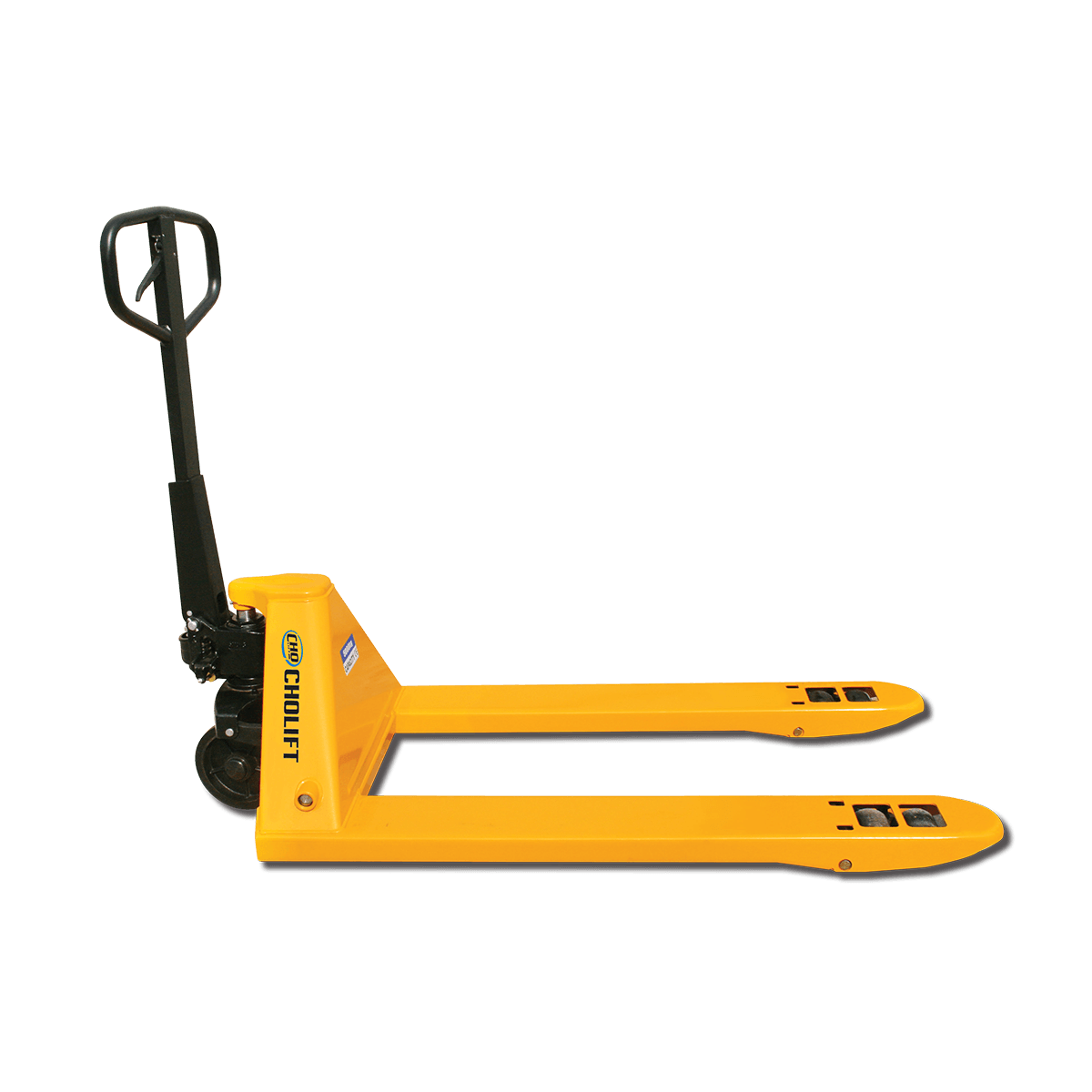
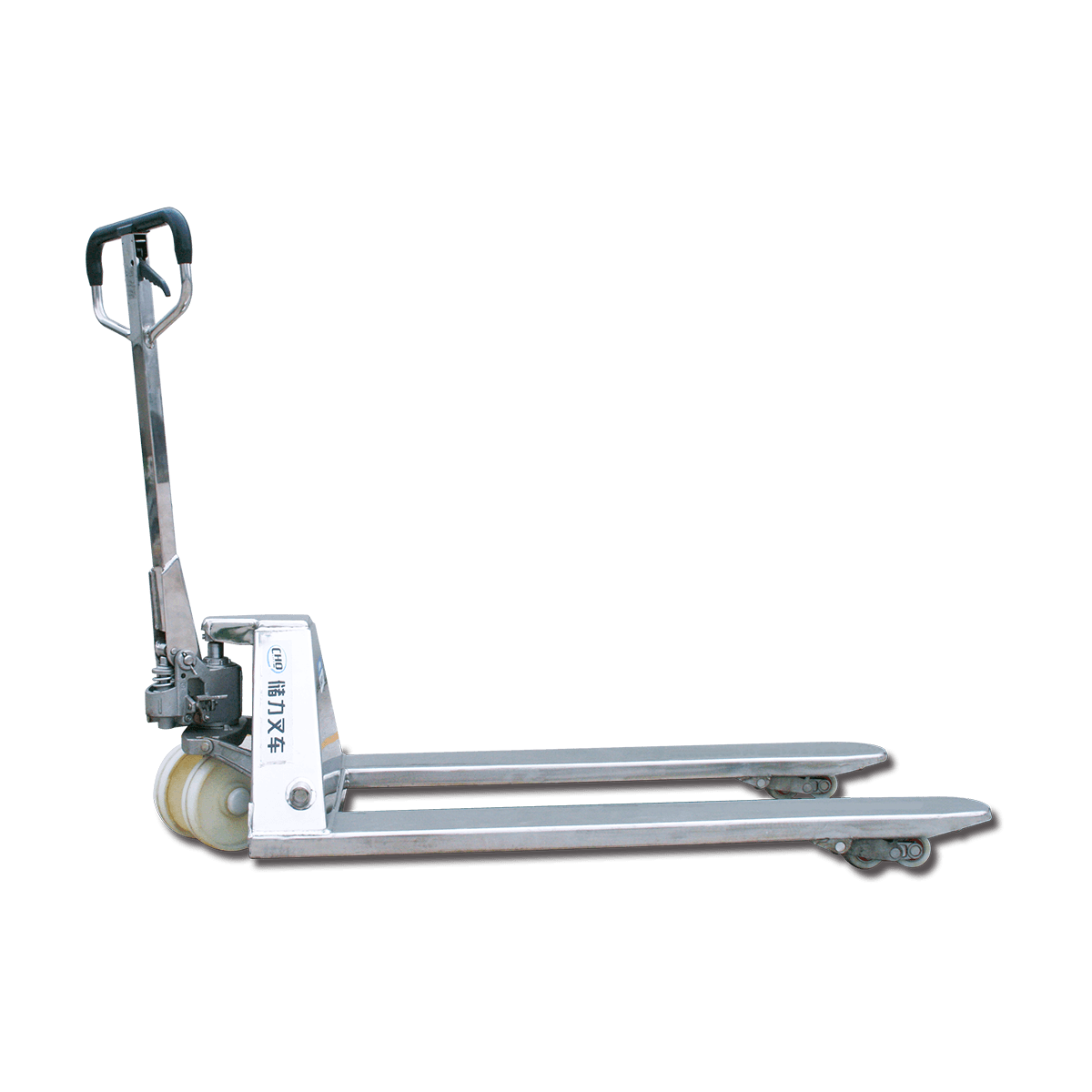
- Flat transport between production lines and storage: a Class III walk-behind pallet truck is usually the lowest-cost, lowest-risk option.
- Outdoor storage yards and container areas: a Class V truck with pneumatic tires handles uneven ground and wet surfaces.
- Unpaved construction or agriculture sites: a Class VII rough terrain unit is the only realistic choice.
In practice, most operations find that one class does the bulk of the work and a second class covers exceptions. Listing the three most common tasks and the floor conditions for each is a reliable way to build that picture.
Class III is the most common entry point in warehouse operations. Walk-behind pallet trucks move finished goods, raw materials, and work in process over short distances. Within this class, battery choice has become the main purchasing decision. A 48V lithium electric pallet truck supports opportunity charging during breaks, which makes it a practical fit for multi-shift schedules without a dedicated battery room.
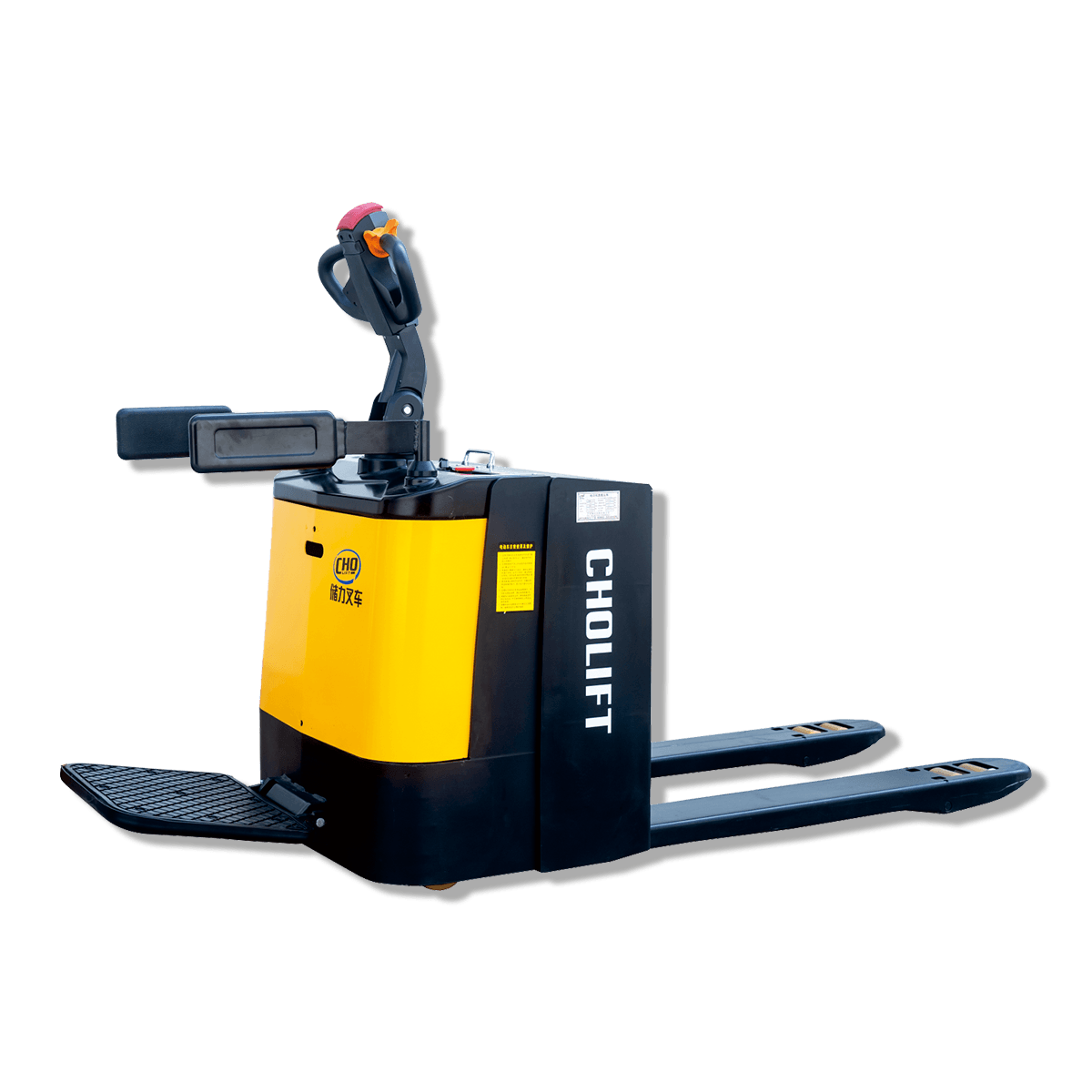 Custom 48V LITHIUM ELECTRIC PALLET TRUCK Suppliers, OEM/ODM Company - NINGBO CHNINGBO CHOLIFT FORKLIFT CO.LTD. is China custom 48V LITHIUM ELECTRIC PALLET TRUCK Suppliers and OEM/ODM Company, ADVANTAGES1.Multi-funct...View Product →
Class II covers equipment built for racking systems where every centimeter of aisle width counts. A full-electric reach stacker extends its forks into the rack and retracts them for travel, so it works in narrower aisles than a counterbalance truck of similar capacity. That difference can increase storage density without expanding the building.
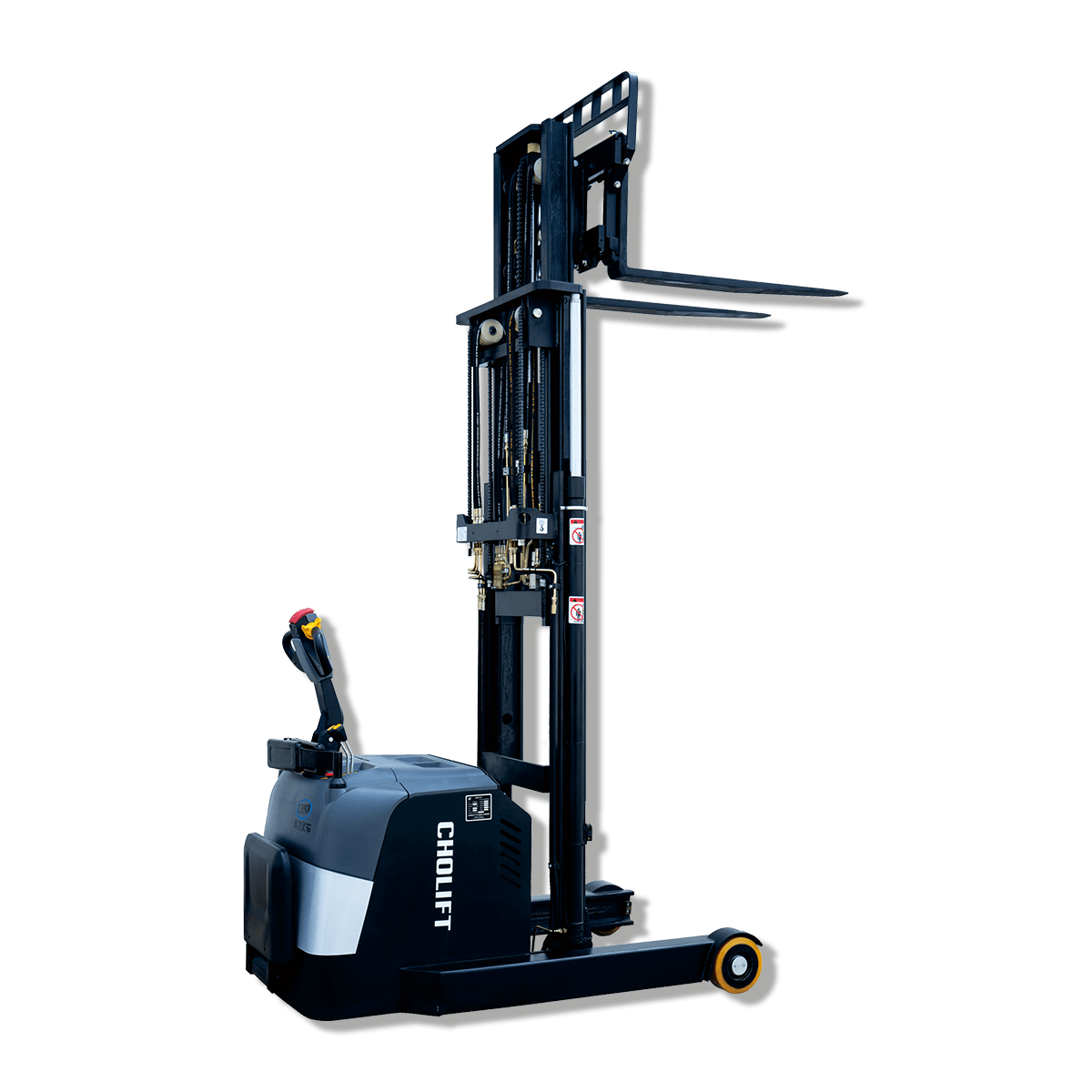 Custom Full Electric Reach Stacker Suppliers, OEM/ODM Company - NINGBO CHOLIFTNINGBO CHOLIFT FORKLIFT CO.LTD. is China custom Full Electric Reach Stacker Suppliers and OEM/ODM Company, ADVANTAGES 1.AC drive system...View Product →
Class I remains the backbone of dock and cross-dock work. A four-point electric forklift with cushion tires carries pallets from trailers to staging areas without the emissions of an internal combustion engine, which matters in enclosed spaces where operators work all day.
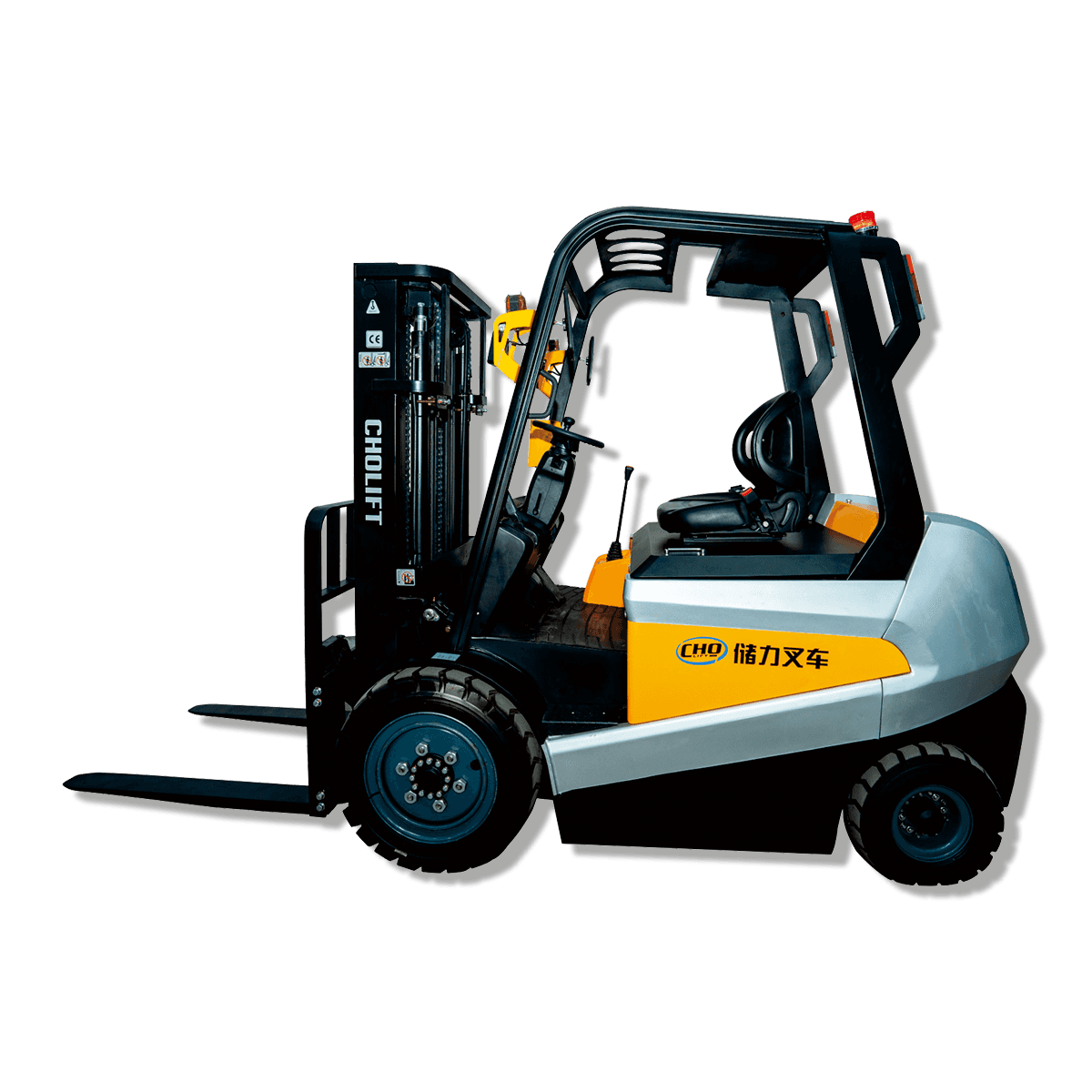 Custom Four-point electric forklift Suppliers, OEM/ODM Company - NINGBO CHOLIFTNINGBO CHOLIFT FORKLIFT CO.LTD. is China custom Four-point electric forklift Suppliers and OEM/ODM Company, AC DRIVE ADVANTAGES High effi...View Product →
The principle is straightforward: electric classes handle the building, IC classes handle the yard. If the operation is entirely indoors, electric wins on emissions, noise, and energy cost. If outdoor ramps and yards dominate, an IC pneumatic truck is the safer choice. Many operations run both, which is why electric forklifts are increasingly standard in warehousing and distribution centers while IC equipment remains assigned to outside work.
What to Verify Before You Buy
Once the class is fixed, the comparison list becomes shorter and more honest. These are the specifications that cause most buying mistakes.
- Load capacity and load center. Rated capacity is valid at a specified load center, usually 500 mm or 600 mm. A truck rated for 1,800 kg at 500 mm load center cannot carry the same weight if the load center moves to 600 mm.
- Lift height and free lift. If the mast must pass under a door or enter a container, check the lowered mast height and the free lift, which is the height the forks can rise before the mast extends.
- Turning radius and stacking aisle. Ask for the right-angle stacking aisle width, not just the outside turning radius. This number determines whether the truck fits the building.
- Tire and floor compatibility. Polyurethane cushion tires protect finished floors but behave differently from pneumatic tires on wet ramps or gravel.
- Battery and charging cycle. Compare charging time, battery life, and whether lithium chemistry allows intermediate charging. Lead-acid batteries typically need a full charge cycle and cooling time.
- Safety certification. Confirm the model carries the mark required in your market, such as CE in Europe, and that the manufacturer documents compliance with the relevant ANSI or ISO standards.
- Maintenance and spare parts. Check parts availability, warranty terms, and whether the local service network actually supports the model.
Forklift classification works best as the first filter, not the final answer. Once the right class is clear, you can compare specific trucks on the metrics that affect your building, your operators, and your budget. A supplier that starts with classification and explains where each model fits is usually one that understands the application.
CHOLIFT builds equipment across Classes I, II, and III, including counterbalance electric forklifts for dock work, electric stackers for racking, and pallet trucks for everyday transport. When the product line covers the classes a warehouse actually runs, evaluation documents stay simple and operator training stays manageable. Whatever the fleet size, starting with the right class is the most reliable way to avoid an expensive mismatch.