 English
 简体中文
A pallet edge catches a racking upright near the end of aisle B. The impact sounds like a hard knock, but nothing falls and the truck drives on. Three weeks later the column shows a visible bow, the structural inspector flags the bay, and the repair absorbs a bill that could have bought two new pallet trucks. Forklift damage prevention works the same way in almost every warehouse: small impacts, repeated and ignored, produce the expensive failures that appear later. A serious program combines operator technique, disciplined maintenance, physical barriers, and equipment chosen for the tightest corner in the building.
Forklift Damage Costs More Than Repairs
When a forklift strikes racking, a door frame, or another truck, the visible cost is the repair line. The less visible costs usually exceed it. Downtime interrupts picking, damaged stock has to be written off, and an injured pedestrian can stop an entire shift. Treat all four categories as the real price of damage.
Share of total forklift damage cost by category (illustrative)
Racking repair and replacement is usually the largest single line because a damaged upright may need professional assessment, and a full bay replacement can take the aisle out of service for days. Product damage is the first loss after a strike: punctured packaging, crushed cases, and contaminated goods. Truck downtime matters too, because bent forks and damaged steer tires pull the truck out of the rotation. The fourth category, injury and liability, is the outcome every other prevention measure is trying to avoid.
The Root Causes Behind Most Forklift Damage
Damage rarely has a single cause. It develops where a weak operating habit meets a demanding aisle layout or a worn floor. The table below summarizes the patterns that appear repeatedly on warehouse floors.
| Root cause | How it appears | First line of defense |
|---|---|---|
| Poor floor condition | Potholes and debris shift loads and force abrupt steering | Repair surfaces and enforce daily floor sweeps |
| Congested traffic areas | Trucks and pedestrians compete for the same lanes | Marked walkways and separate travel paths |
| Bulldozing pallets | Pushing loads into position bends forks and damages stock | Operator training on lift-first technique |
| Loss of control on slopes | Loaded trucks roll or slide on ramps and dock edges | Speed limits, brake-equipped trucks, and dock discipline |
| Unsafe speed in narrow aisles | Sharp turns clip racking columns and end-of-aisle frames | Speed rules, aisle guidance, and tighter turning equipment |
| Incorrect equipment for the load | Under-spec trucks struggle with heavy or awkward loads | Load-capacity review before purchase |
The common thread is that every cause is preventable. None of them require exotic technology; they require clear standards and the willingness to enforce them.
Operator Training and Daily Discipline
Training is the biggest single lever in forklift damage prevention. A well-trained operator avoids the strike before it happens, and a disciplined operator reports the scrape that would otherwise go unrecorded. Start with structured training, then reinforce it with a daily routine.
Training That Reduces Impact
- Teach lift-first handling: never push a load into position with the forks.
- Drill turning technique in narrow aisles: slow down before the turn, not during it.
- Test operators on slope handling with both loaded and unloaded travel.
- Explain pedestrian priorities and require eye contact at intersections.
Daily Checks That Catch Problems Early
A pre-shift inspection takes five minutes and catches the issues that later cause damage: low tire pressure, leaking hydraulics, cracked forks, or a worn steer wheel. Keep a checklist and record the results. When operators sign off on a machine, they take ownership of its condition. Combine these checks with the maintenance and care routines recommended for each type of equipment.
Protect the Building and Racking
Physical barriers are the second layer of defense. They do not replace training, but they catch the mistakes that training cannot eliminate. Three protection points matter most.
Column Protectors
Racking columns are the most frequently struck structure in a warehouse. A plastic or steel column protector absorbs the impact and spreads the force so the upright stays within its rated tolerance. Install protectors on every aisle-facing column, especially at corners and end-of-aisle positions.
End-of-Aisle and Machine Guards
End-of-aisle locations take the heaviest traffic. Guardrails and impact barriers here deflect trucks before they can reach a column face. Choose barriers with a visible color contrast so operators see the boundary from a distance.
Floor Care as a Structural Measure
Flat, clean floors keep truck wheels on the intended path. A 10 mm pothole might seem minor, but at typical travel speed it is enough to shift a loaded pallet and skew the truck toward a racking upright. Keep the floor within the manufacturer's recommended tolerance, and repair cracks before they widen into wheel traps.
Choosing Equipment That Prevents Damage
Equipment design has a direct influence on damage rates. A truck that turns too wide, accelerates too abruptly, or offers weak load visibility will produce more strikes no matter how well the operator is trained. That is why equipment selection is a damage-prevention decision, not just a productivity decision.
Maneuverability matters most in narrow aisles. A compact pallet truck with a tight turning radius lets an operator pass a racking row without the fork tips swinging into a column. The CHOLIFT range of material handling equipment includes mini lithium pallet trucks designed for confined-space work, with a reduced overall width and precise steering.
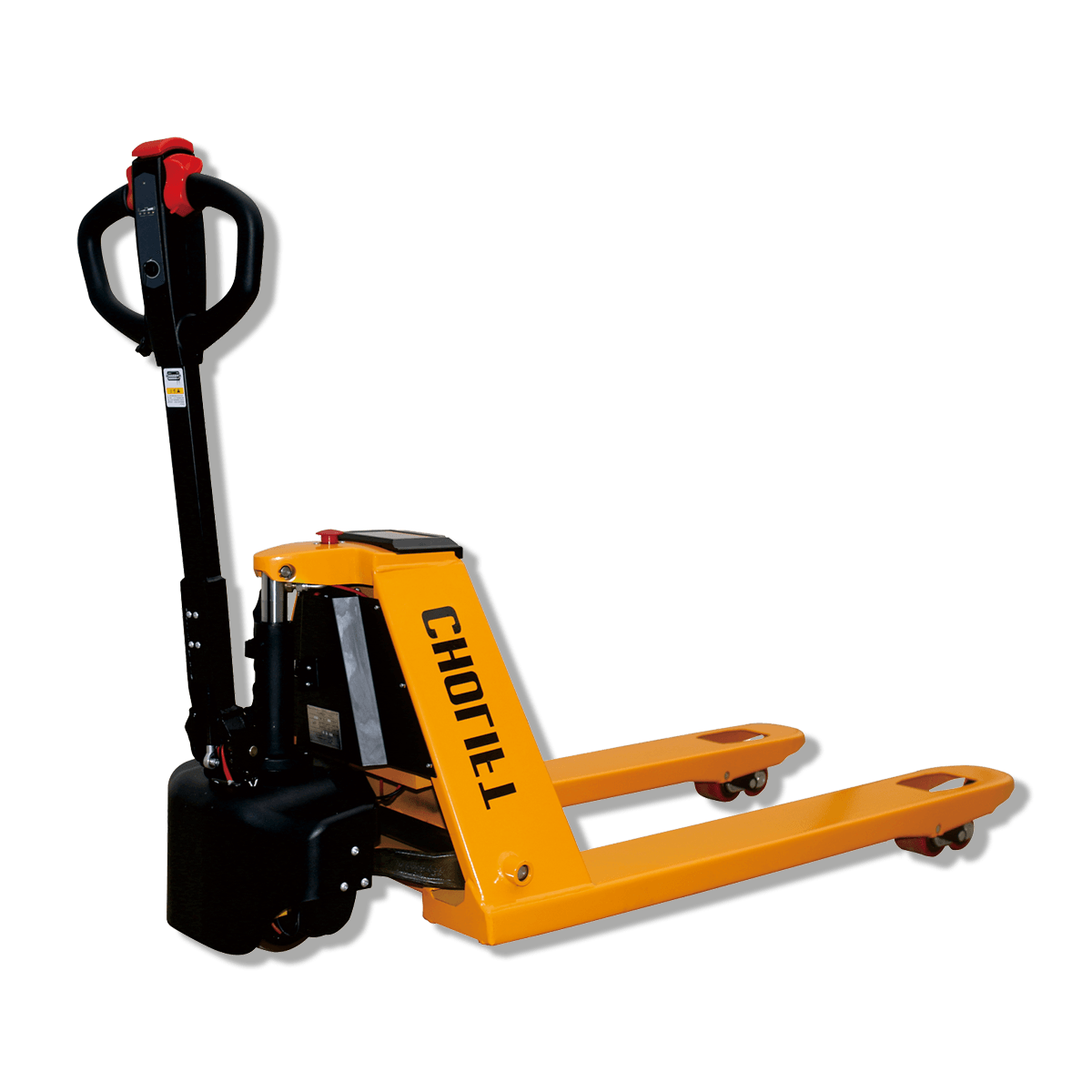 Compact Lithium Electric Pallet Truck for Tight SpacesDesigned for narrow aisles and elevators, this mini pallet truck features a 2500 kg capacity, quick-charging lithium battery, and a tight turning radius for precise maneuvering.View Product →
For loading docks and storage areas where a pallet truck cannot reach, a three-point electric forklift offers the smallest turning circle in its class. Its rear-wheel steering geometry keeps tail swing under control, which reduces the risk of striking door frames and parked trailers.
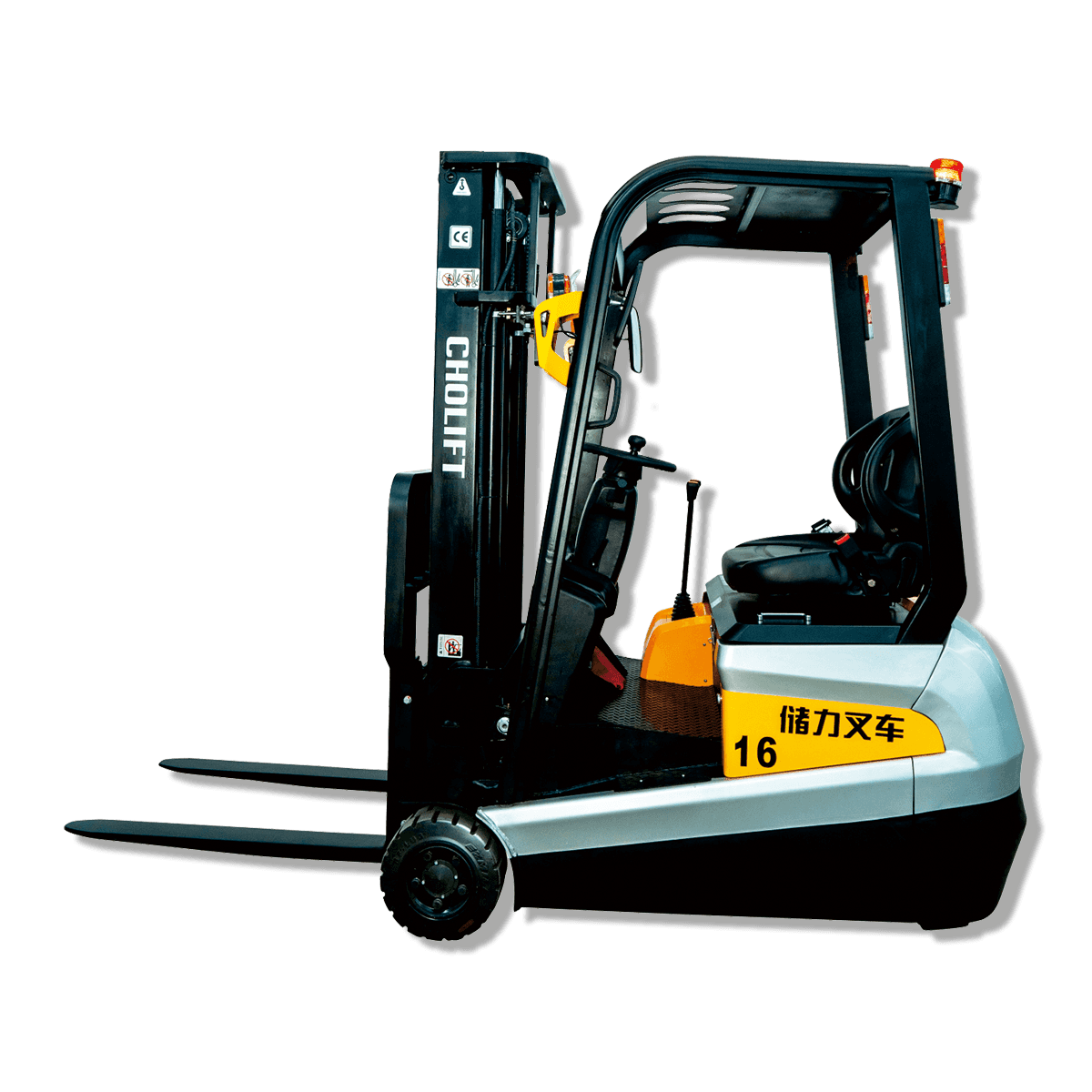 Three-Point Electric Forklift with Minimal Turning CircleOffering models from 1200 to 1800 kg, this forklift uses rear-wheel steering and an AC drive to provide exceptional maneuverability and stability in confined warehouse areas.View Product →
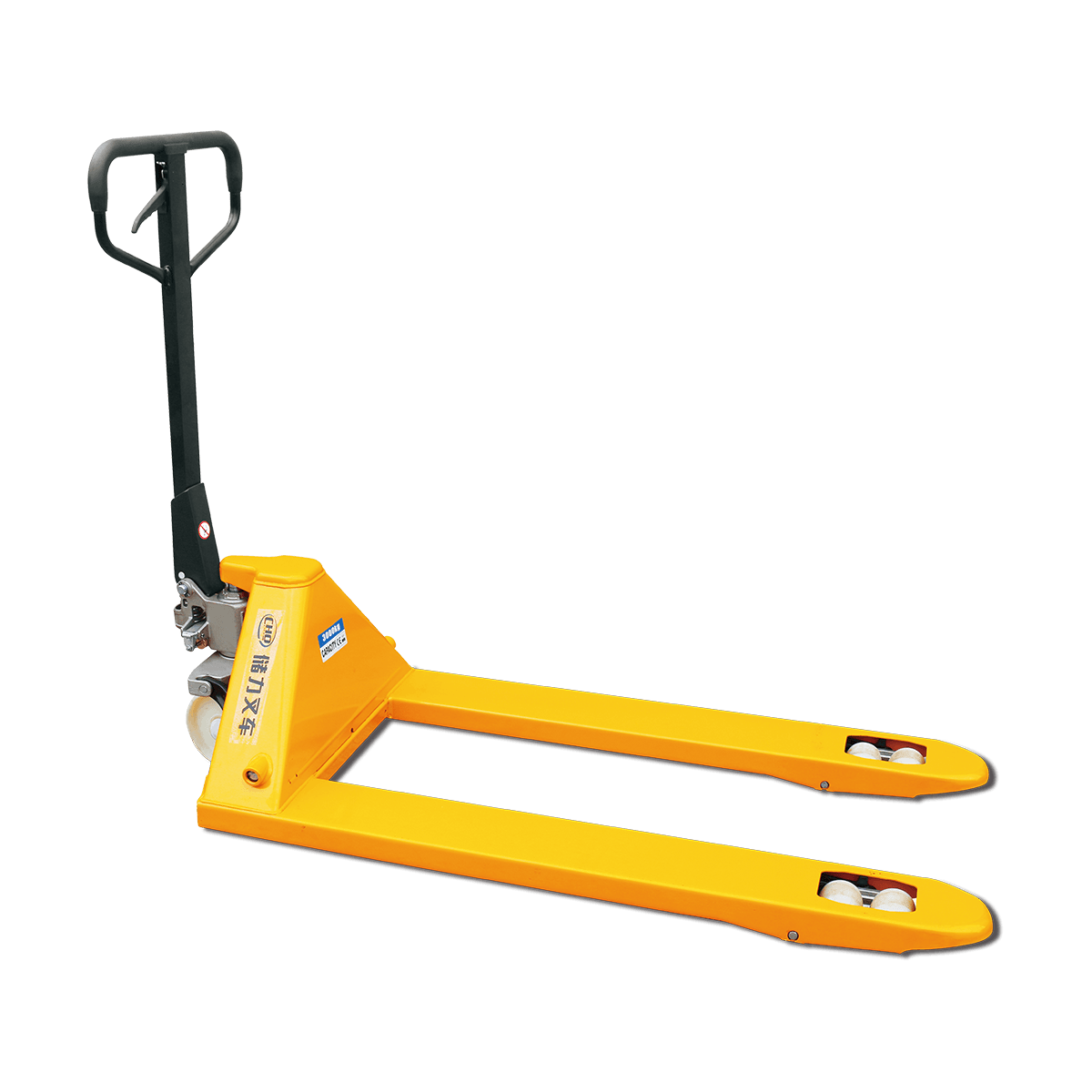
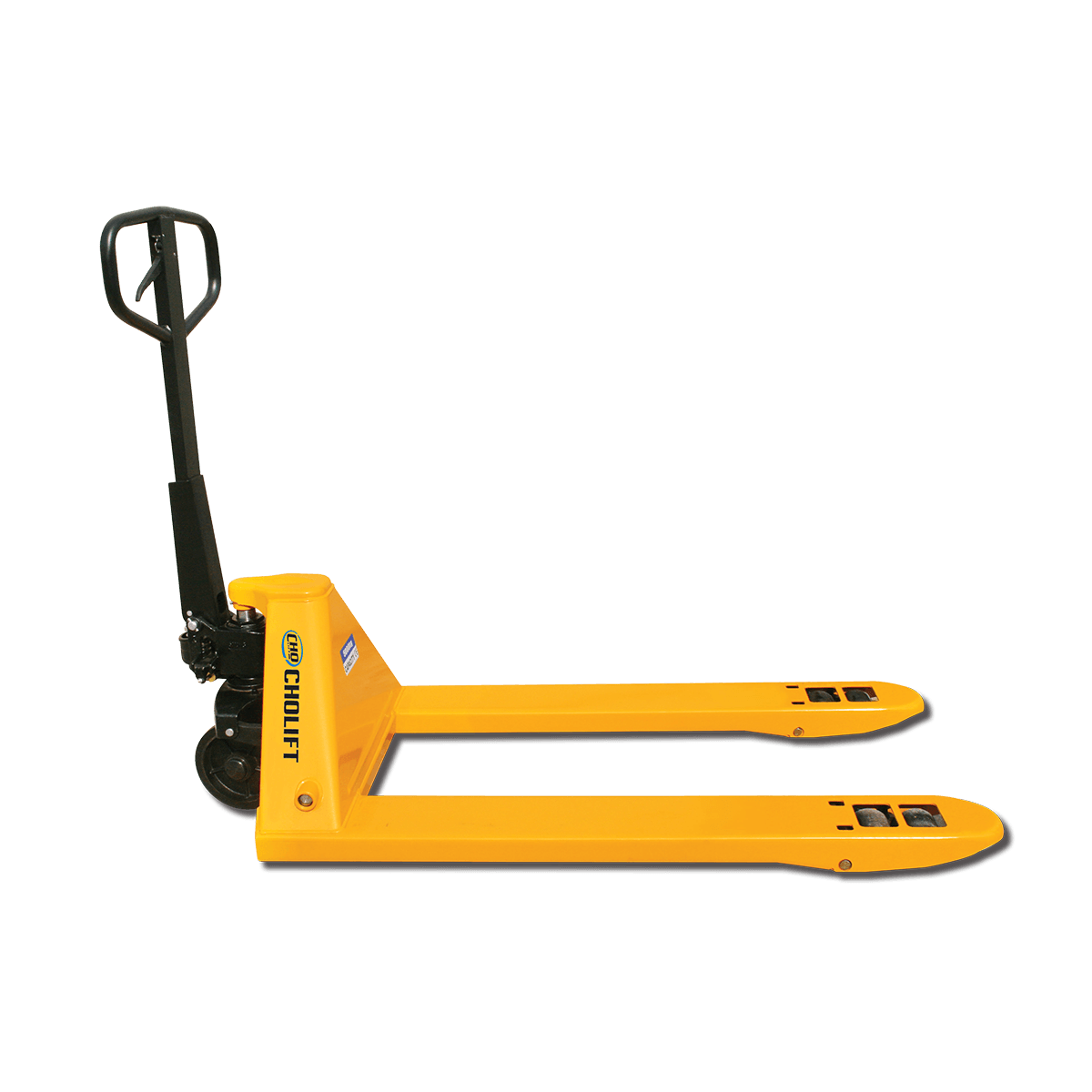
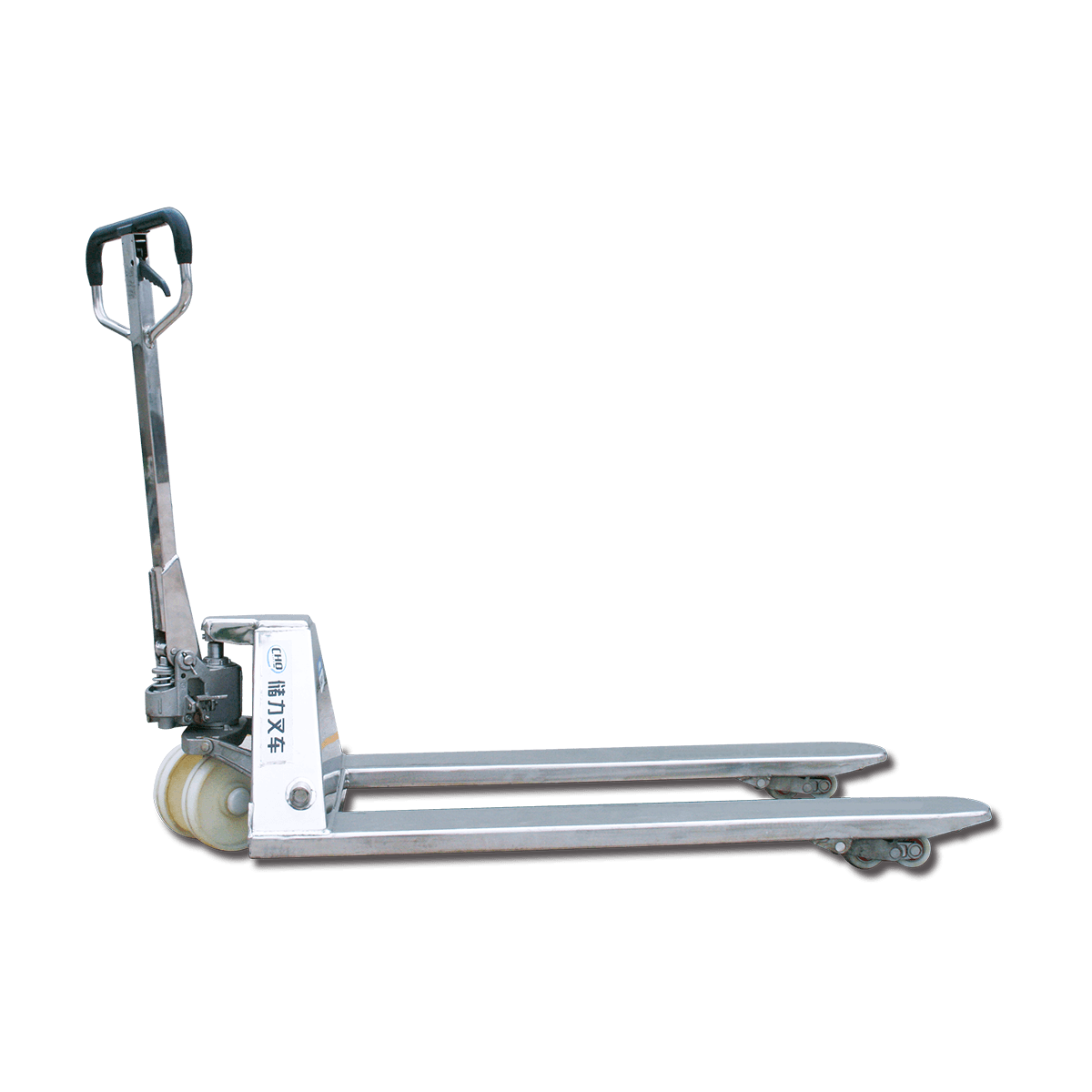
On sloped floors, a hand pallet truck with a parking brake gives the operator a firm hold while positioning loads at the dock edge. It prevents the creeping movement that leads to jack-knifed trucks and damaged pallets.
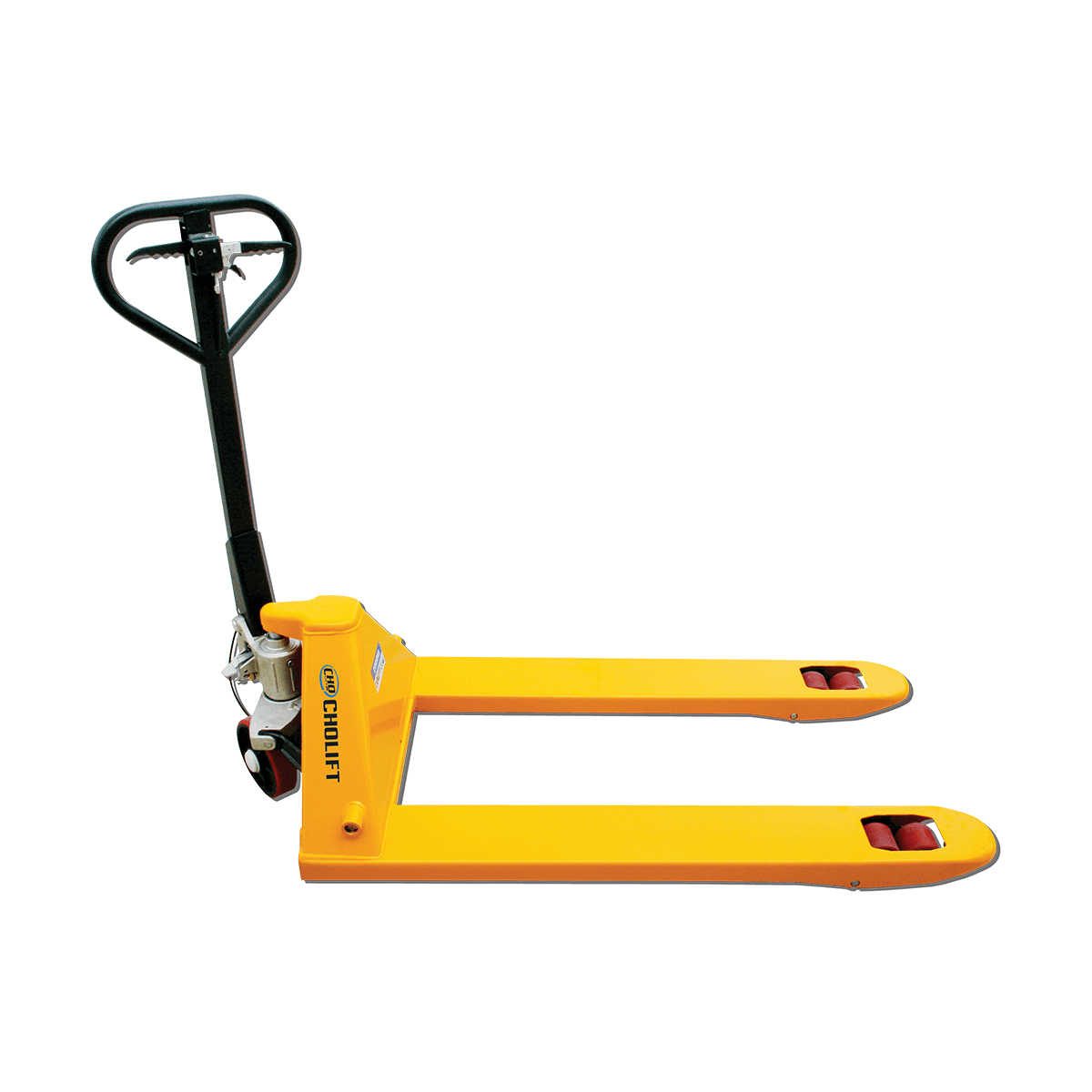 Hand Pallet Truck with Parking Brake for Sloped FloorsThis 2500 kg capacity pallet truck includes a reliable brake system that holds loads securely on inclines, preventing creep and improving safety during dock operations.View Product →
When you review your fleet, compare the turning radius, fork length, and braking behavior of each truck against the tightest aisle and heaviest load in your building. Choosing the right machine is cheaper than repairing the wrong one.
Turn Prevention into a Measured Program
What gets measured gets managed. Damage prevention programs that last beyond their first year share one habit: they track incidents. Keep a simple log of every contact, scrape, or near miss, with the location, the truck involved, and the cause.
Review the log monthly and look for patterns. Does the same aisle show up repeatedly? Is the same operator involved? Is a particular truck producing more strikes than its peers? Each pattern points to a specific fix, whether that is a guardrail, a retraining session, or a truck change.
Prevention program layers that work together
- Daily control
- Pre-shift checklist
- Floor sweeps
- Speed discipline
- Physical protection
- Column protectors
- End-of-aisle barriers
- Racking inspections
- Equipment strategy
- Right truck for the aisle
- Maintained brakes and steering
- Load capacity matched to the job
Forklift damage prevention is not a single fix. It is the accumulated effect of training, barriers, floor care, and equipment selection, reviewed on a regular cycle. Each layer catches what the previous one missed, and together they keep the damage log from growing.