 English
 简体中文
Picture a busy warehouse aisle at shift change. A forklift rounds a corner, a worker steps out from behind a rack, and the operator has less than a second to react. This scenario is not hypothetical. Pedestrian-vehicle incidents are among the most common causes of serious injuries in material handling environments, and the most effective countermeasure is training that goes beyond the operator's certificate. The proven approach to forklift pedestrian safety training combines hazard recognition, facility controls, communication protocols, and equipment features selected with foot traffic in mind.
Why Pedestrian Safety Training Demands More Than Operator Certification
Operator certification is the legal baseline, but it only addresses half the problem. Pedestrians share the space, and they often have no formal training in how to behave around a moving forklift. The conclusion from incident data is consistent: the most severe accidents involve an untrained pedestrian stepping into the forklift's path. Training must therefore reach everyone who enters the work zone, including temporary workers, visitors, and maintenance crews. The reason is practical: a forklift operator controls the machine, but cannot control where a pedestrian chooses to walk. By teaching pedestrians how to anticipate forklift movements and teaching operators how to compensate for blind spots and limited visibility, you create a shared safety culture that also reduces liability and unplanned downtime.
The Core Hazards That Training Must Cover
The most dangerous moments happen when a pedestrian treats a forklift like an ordinary vehicle. It is not. A typical industrial forklift weighs more than a passenger car, and its rear-wheel steering makes the tail swing out sharply during turns. The operator's view is blocked by the mast, the forks, and the load. Loaded forks can strike a person even when the machine is barely moving, and electric-powered models are so quiet that a pedestrian may not hear them until they are directly in the path.
- A forklift does not stop instantly; loaded travel adds stopping distance, especially on wet or dusty floors.
- The rear end swings outward when turning, so the space behind the counterweight is a blind zone.
- A raised load blocks the operator's forward view; pedestrians standing in front of the forks are often invisible to the driver.
- Electric forklifts can be quieter than internal combustion units, so operators should use horns and lights in pedestrian areas.
Training must make these facts part of every worker's awareness, not just a page in a manual.
Building a Pedestrian Safety Training Program That Works
A successful program is a cycle of understanding, practice, and reinforcement. Use the following steps to build a program that fits your facility.
| Audience | Core Topics | Recommended Frequency |
|---|---|---|
| Forklift operators | Vehicle dynamics, load handling, blind spots, horn and light use, pedestrian communication | Initial certification and annual refresher |
| Pedestrians | Site traffic routes, eye contact, keeping clear of danger zones, recognizing warning signals | Onboarding and annual refresher |
| Supervisors | Hazard identification, near-miss reporting, enforcing traffic rules, scheduling drills | Initial training and every two years |
| Visitors and contractors | Basic rules, staying on marked walkways, never walking under a load | Before entering the work area |
Step 1: Map the Traffic and Separate Where Possible
Start with a walk-through of your facility and identify every aisle where forklift paths cross pedestrian routes. Mark permanent pedestrian walkways with painted lines or physical barriers. Install mirrors and warning lights at blind corners, and consider swing gates or handrails at doorways. The training program should reference the actual layout of your facility, not a generic diagram. Ask operators and warehouse associates to point out near-miss locations, then update the floor plan. A separation of even 60 to 90 centimetres for a dedicated walkway gives people room to step back when a lift truck approaches.
Step 2: Establish Clear Communication Protocols
Pedestrians and operators need a shared language. Teach operators to sound the horn at intersections where they cannot see around a rack or column, and to use headlights or strobes in areas with low lighting. Teach pedestrians that eye contact with the operator is not enough; the operator may look in their direction but still have a load blocking the view. The protocol should be: if the pedestrian is not certain the operator has seen them, they stop and wait. Hand signals can help, but they must be standard across every shift. Practice these signals during the drill so everyone understands what stop, move ahead, and all clear mean.
Step 3: Train Pedestrians to Assume the Operator Cannot See Them
This is the most important mindset shift. A pedestrian may assume that a forklift driver is tracking them, but the operator's view is easily blocked by the mast, the load, or the nearest rack. Use a blind-spot demonstration where pedestrians stand where a seated operator cannot see them. When a person experiences this first hand, the rule stays with them: never walk under a raised fork, never pass between a lift truck and a wall, and always keep at least one full truck length of space. Emphasize that the operator is responsible for the machine, but the pedestrian owns his or her own safety.
Step 4: Reinforce with Hands-On Drills and Refresher Sessions
Classroom content fades quickly. Schedule practical drills where pedestrians walk through a marked course and operators practice smooth starts, stops, and turns. Include scenarios that mimic your facility's challenges, such as narrow aisles, dock edges, or doorways. Use near-miss reports as training examples, without placing blame. Document the drill results and repeat them at least twice a year, after any major process change, or whenever a new piece of equipment enters the fleet.
Equipment Features That Support Pedestrian Safety
Training alone cannot overcome equipment that is difficult to control or see around. When you select material handling equipment for an area with pedestrian traffic, look for features that reduce risk. Smooth speed control, a low chassis, and a robust parking brake all help. The following categories show how equipment choices can support a pedestrian safety training program.
For pallet movement on flat warehouse floors, a pedestrian electric pallet truck is often a safer choice than a sit-down counterbalance truck. The operator walks beside the machine at a controlled speed, which keeps travel speed low and sight lines clear. Because the operator's body is at ground level, pedestrians see a person walking with the truck rather than a large steel object that seems to move on its own.
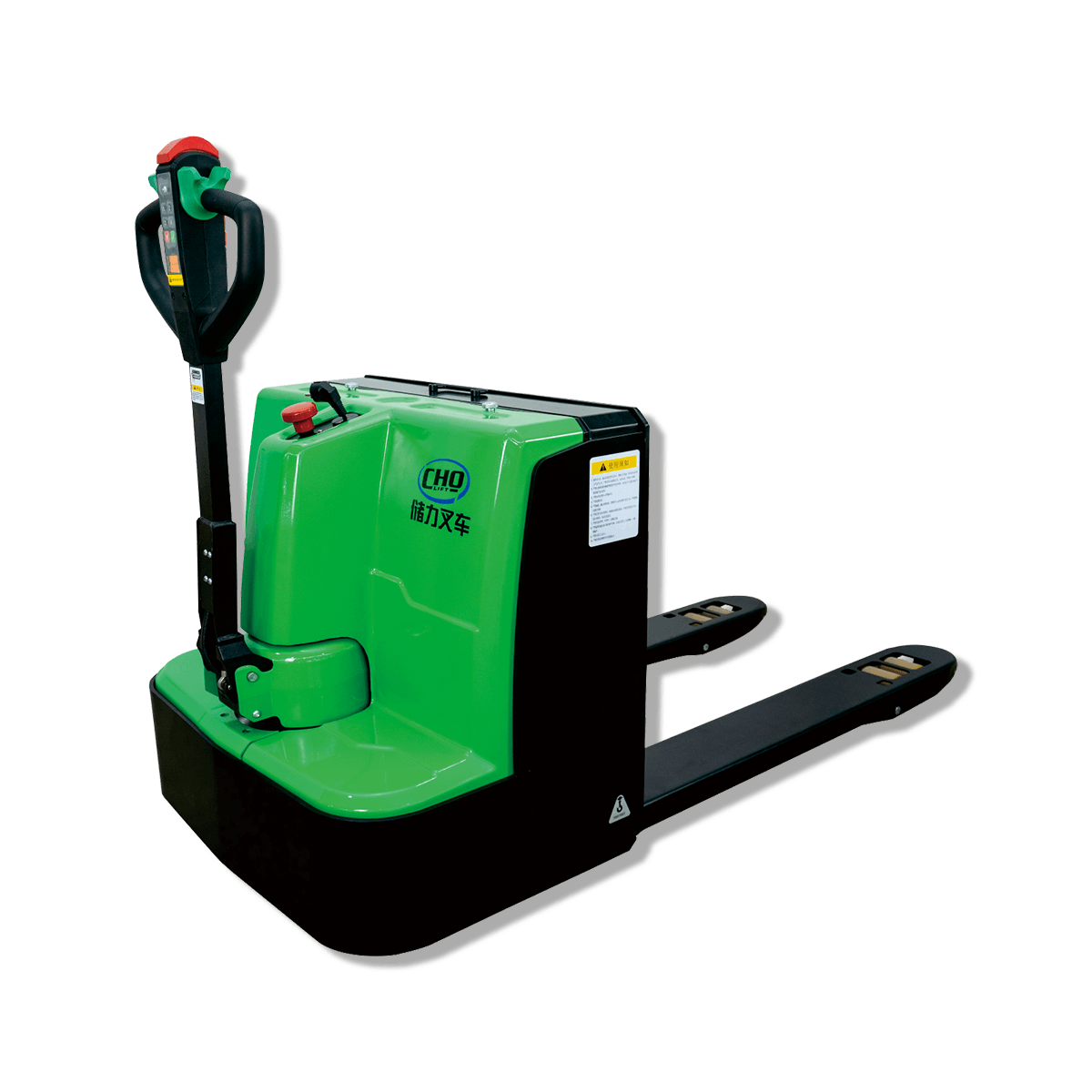 Custom PEDESTRIANISM ELECTRIC PALLET TRUCK Suppliers, OEM/ODM Company - NINGBO NINGBO CHOLIFT FORKLIFT CO.LTD. is China custom PEDESTRIANISM ELECTRIC PALLET TRUCK Suppliers and OEM/ODM Company, ...View Product →
For stacking in storerooms and narrow aisles, a counterbalance stacker with electric travel control can reduce the risk of sudden jerks. The stacker positions the load close to the mast, which gives the operator better forward visibility and a tighter turning circle. That means less tail swing and a shorter distance for pedestrians to anticipate. Many facilities choose this type of equipment when they need to move pallets to higher levels without adding a large forklift footprint.
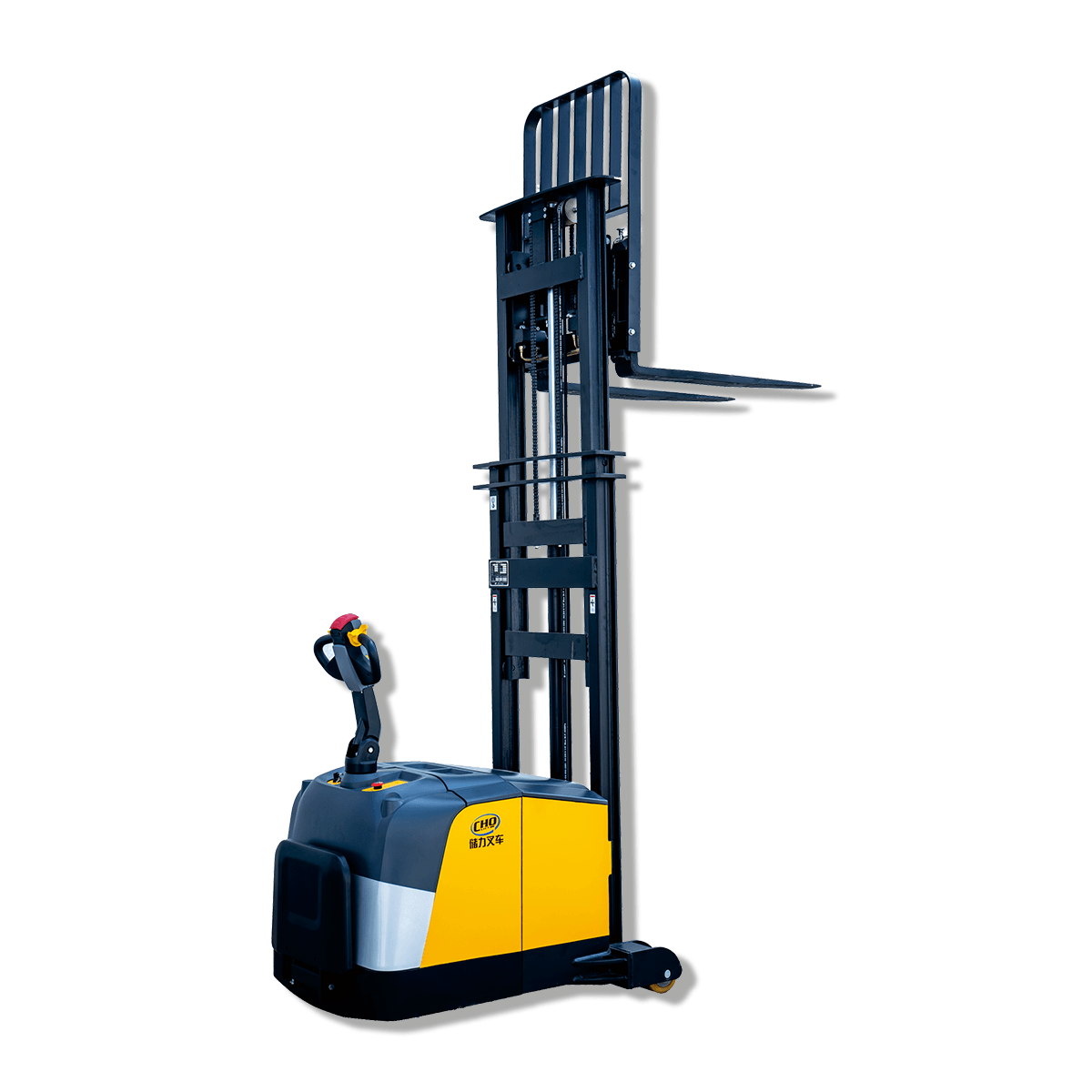 Custom Counter Balance Stacker Suppliers, OEM/ODM Company - NINGBO CHOLIFT FORNINGBO CHOLIFT FORKLIFT CO.LTD. is China custom Counter Balance Stacker Suppliers and OEM/ODM Company, ADVANTAGES 1.The legless design ...View Product →
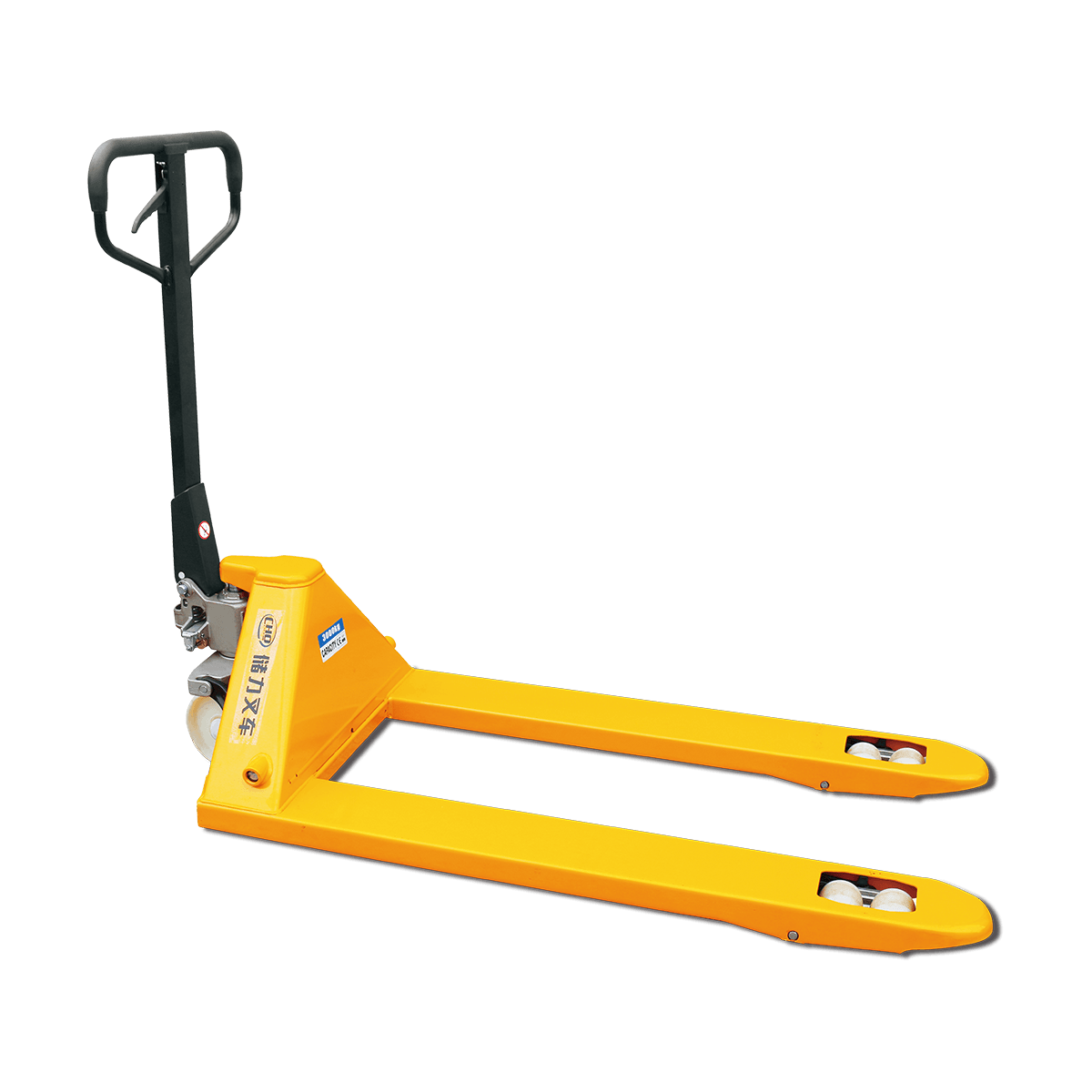
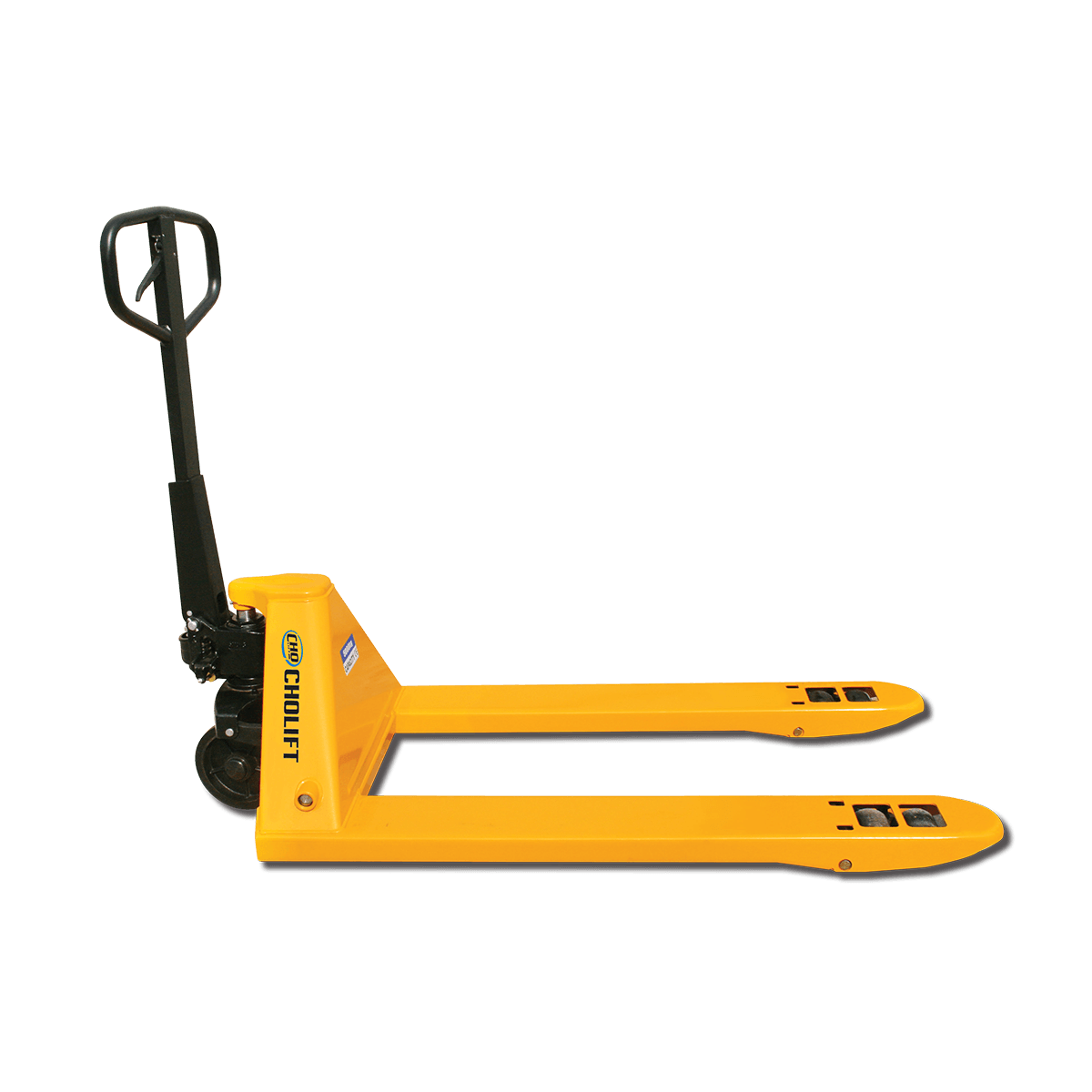
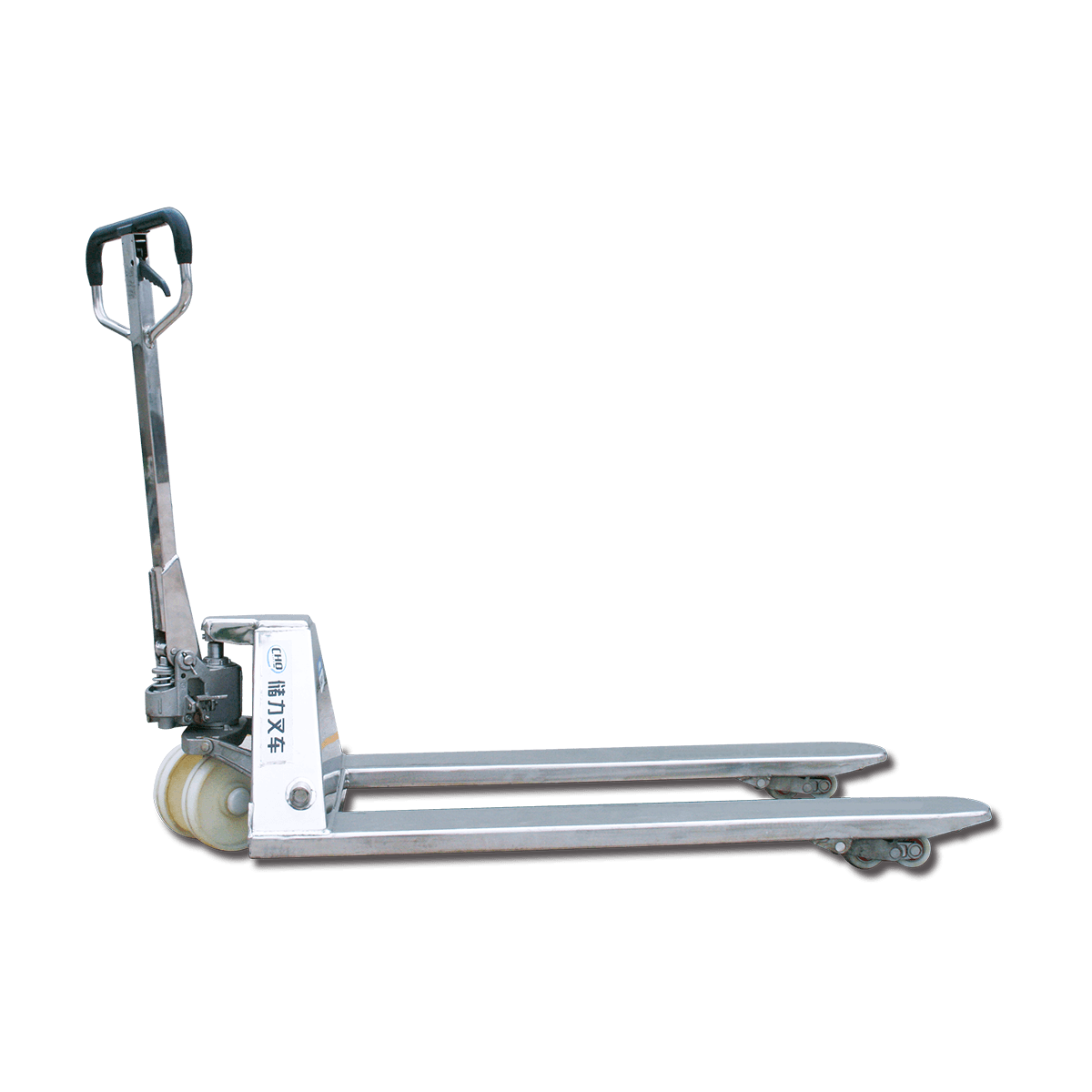
Manual material handling is not exempt from pedestrian safety rules. Workers who operate hand pallet trucks share the same aisles, and an unattended truck can roll away on a slight incline. A pallet truck with brake prevents that rollaway motion, keeping the load stable while the worker picks or drops a pallet. This small feature reduces the chance of a truck drifting into a pedestrian's path and makes training easier because there is one less uncontrolled variable. Our article on safety considerations for operating manual stackers in industrial settings covers these risks in more detail.
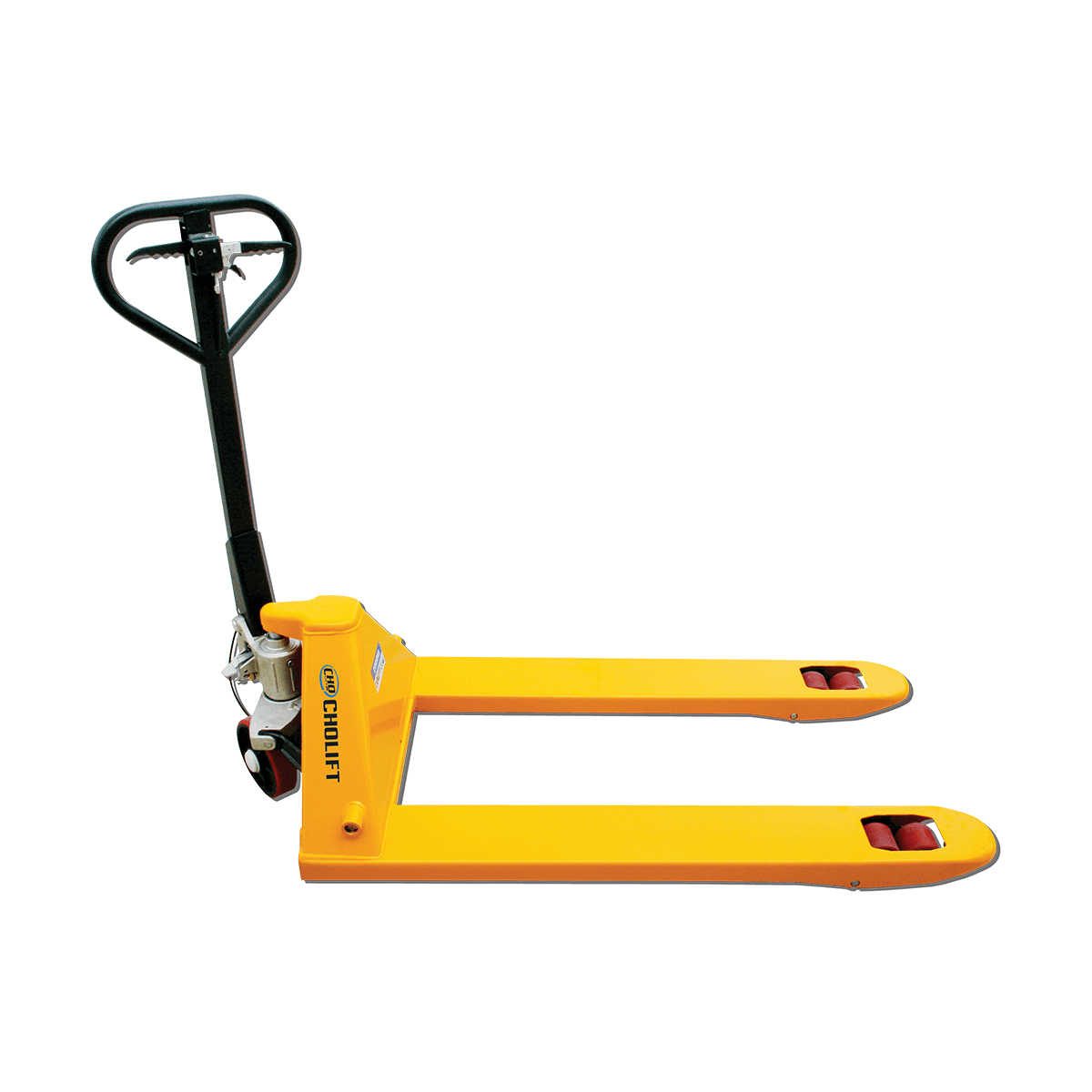 Custom Rallet truck with brake Suppliers, OEM/ODM Company - NINGBO CHOLIFT FORKNINGBO CHOLIFT FORKLIFT CO.LTD. is China custom Rallet truck with brake Suppliers and OEM/ODM Company, 1.The brake system is added on the...View Product →
Measuring the Impact and Keeping the Program Alive
Training is not a one-time event. Track leading indicators such as the number of near-miss observations, the percentage of completed drills, and the speed of corrective actions after a hazard is identified. Conduct regular audits where you watch how pedestrians and operators interact in real conditions. When you see a risky behavior, correct it immediately and bring that example into the next training session. A practical target is to have every new employee pass the same pedestrian safety assessment as the most experienced operator. If the evaluation includes a walk-through of the actual site, you will catch gaps that a written test cannot.
Forklift pedestrian safety training will never eliminate every risk, but it turns a passive workforce into an active safety network. Facilities that invest in realistic training, clear communication, and equipment that supports visibility and controlled movement consistently see fewer incidents and higher productivity. Start by walking your aisles, listen to the people who work there, and build a program that treats pedestrians as equal partners in safety.