 English
 简体中文
Choosing a forklift by capacity alone is a common but expensive mistake. The same 1.5-ton load can be handled by a compact three-point electric forklift or a much larger four-point truck, and the wrong choice will show up in every aisle, doorway, and maintenance visit. In practical terms, the size of a forklift is the combination of dimensions that let it move through your facility and lift a load safely. Get those dimensions right first, and the capacity decision becomes much simpler.
What Does “Different Size Forklifts” Really Mean?
Forklift size is not a single line in the datasheet. It is a combination of overall width, overall length with forks, minimum turning radius, lowered mast height, and rated capacity at a defined load center. Each of these numbers has a direct effect on the jobs the machine can do.
Overall width determines which doors, trailers, and aisles you can enter. A forklift that is 1,500 mm wide will not pass through a 1,400 mm doorway, even if the capacity is perfect. Overall length with forks matters because most pallet handling requires the forklift to approach the load with the forks extended; the length also affects how much space is needed to turn 90 degrees.
Minimum turning radius is often the hidden constraint. Two forklifts can have the same width and capacity, yet one needs one meter more to turn around in a rack aisle. That difference decides whether you must reorganize the entire warehouse layout.
Lowered mast height is the number people forget when they check clearance. A standard three-stage mast may be over 2,200 mm when lowered, which is too tall for a container or a low mezzanine. The maximum lift height becomes irrelevant if the truck cannot enter the work area.
Common Forklift Size Ranges and Their Ideal Settings
Most indoor forklifts used in warehousing fall into a few recognizable groups. The table below gives approximate ranges; always confirm with the manufacturer’s technical drawing, because battery type and fork length change the numbers.
| Equipment type | Typical width | Typical length with forks | Typical capacity | Best suited for |
|---|---|---|---|---|
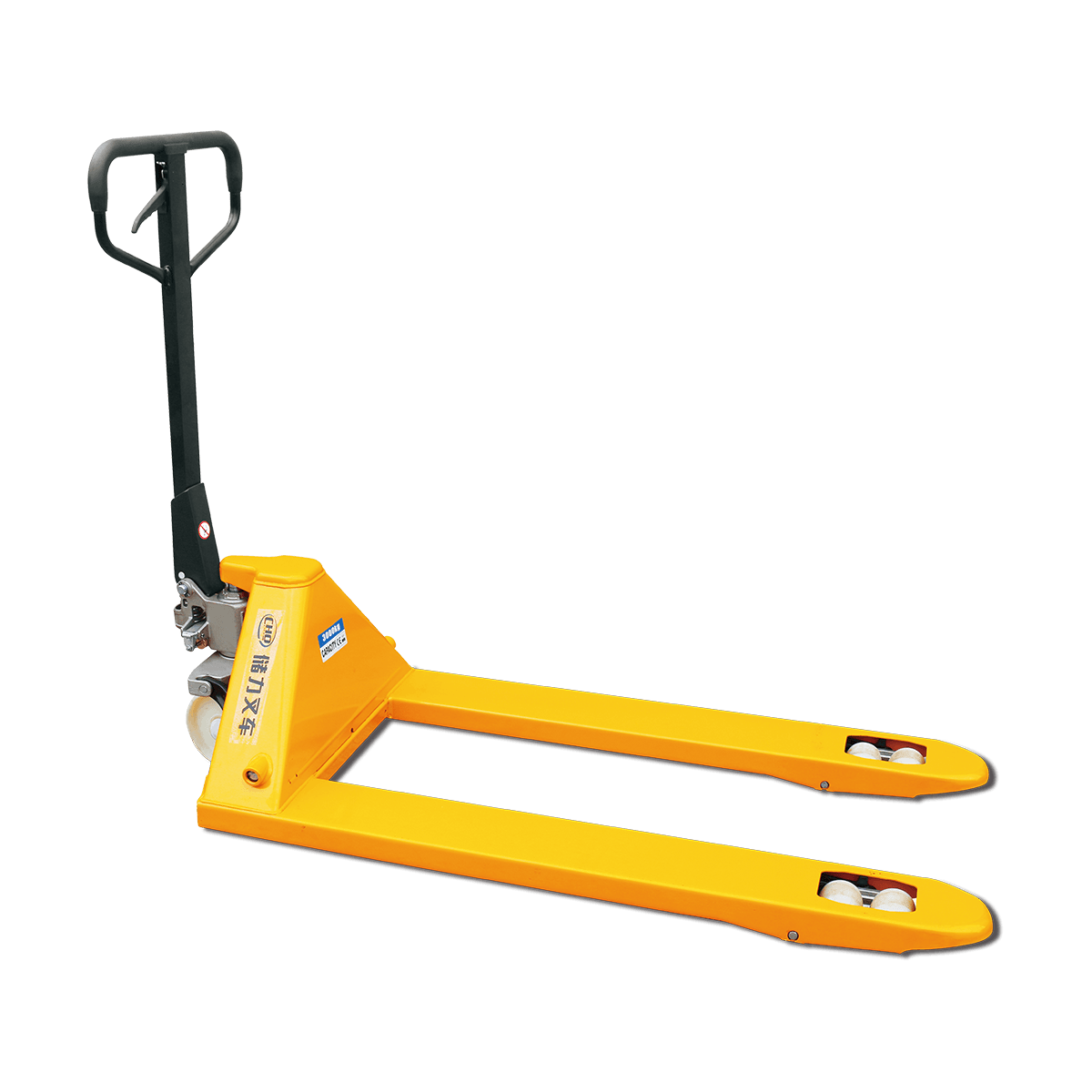
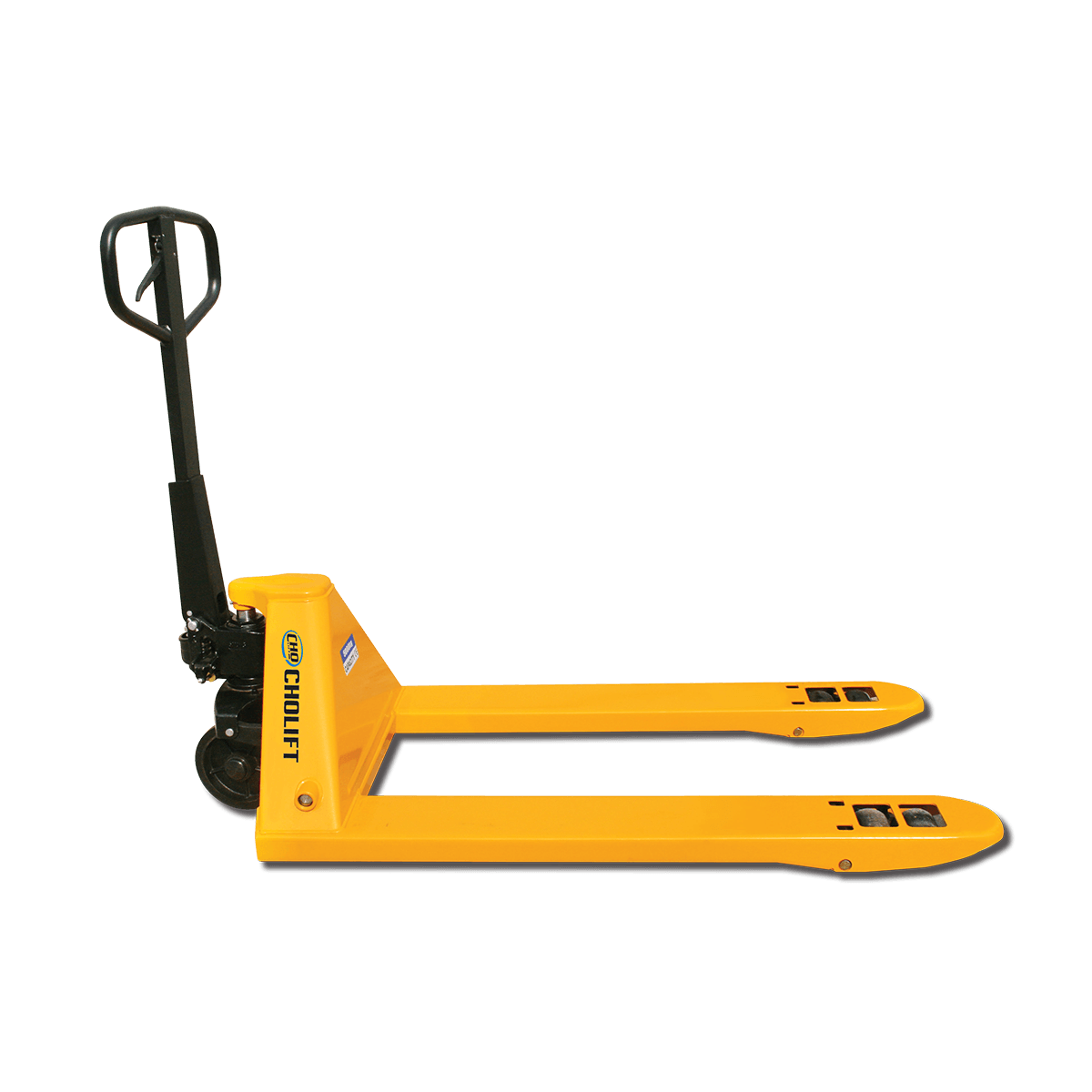
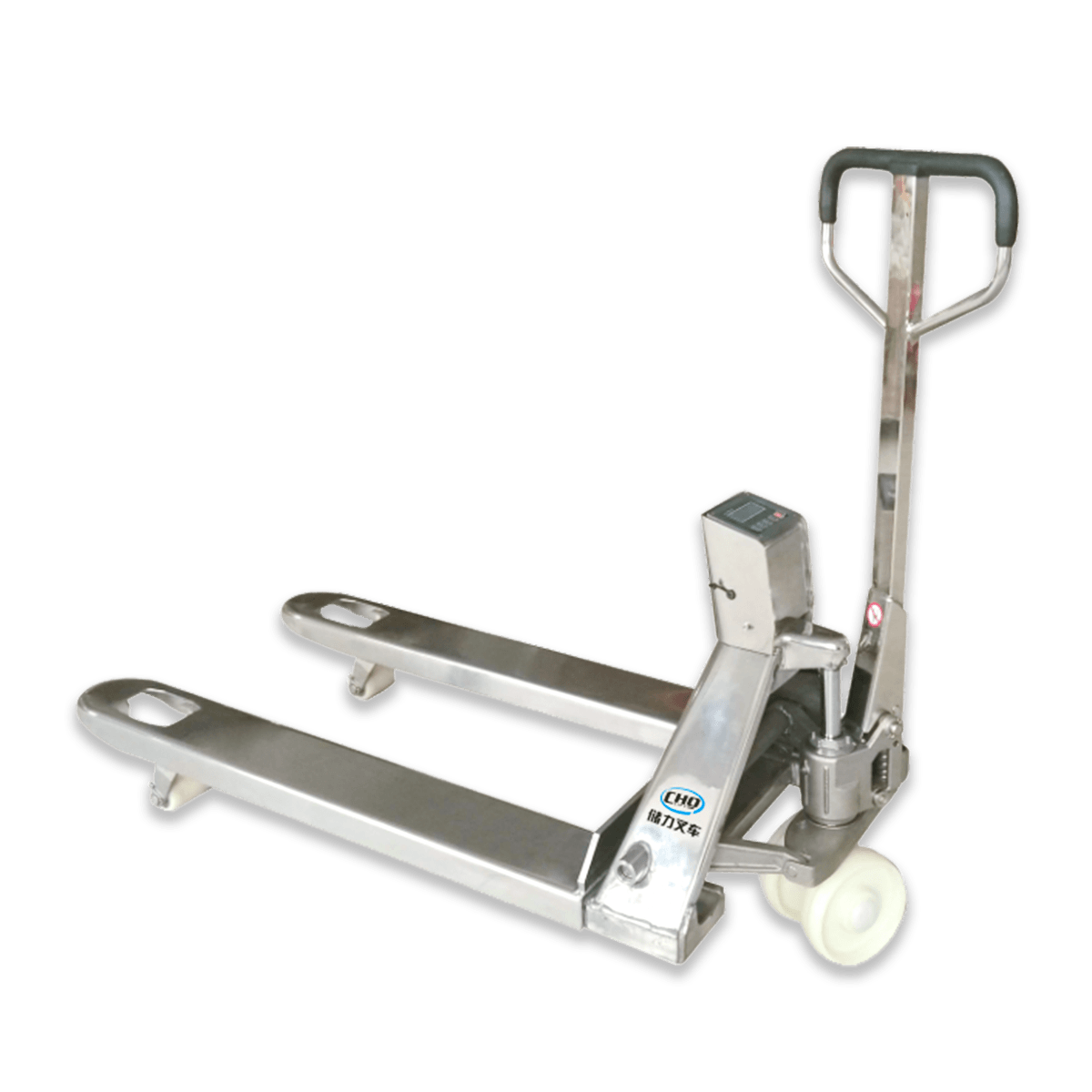
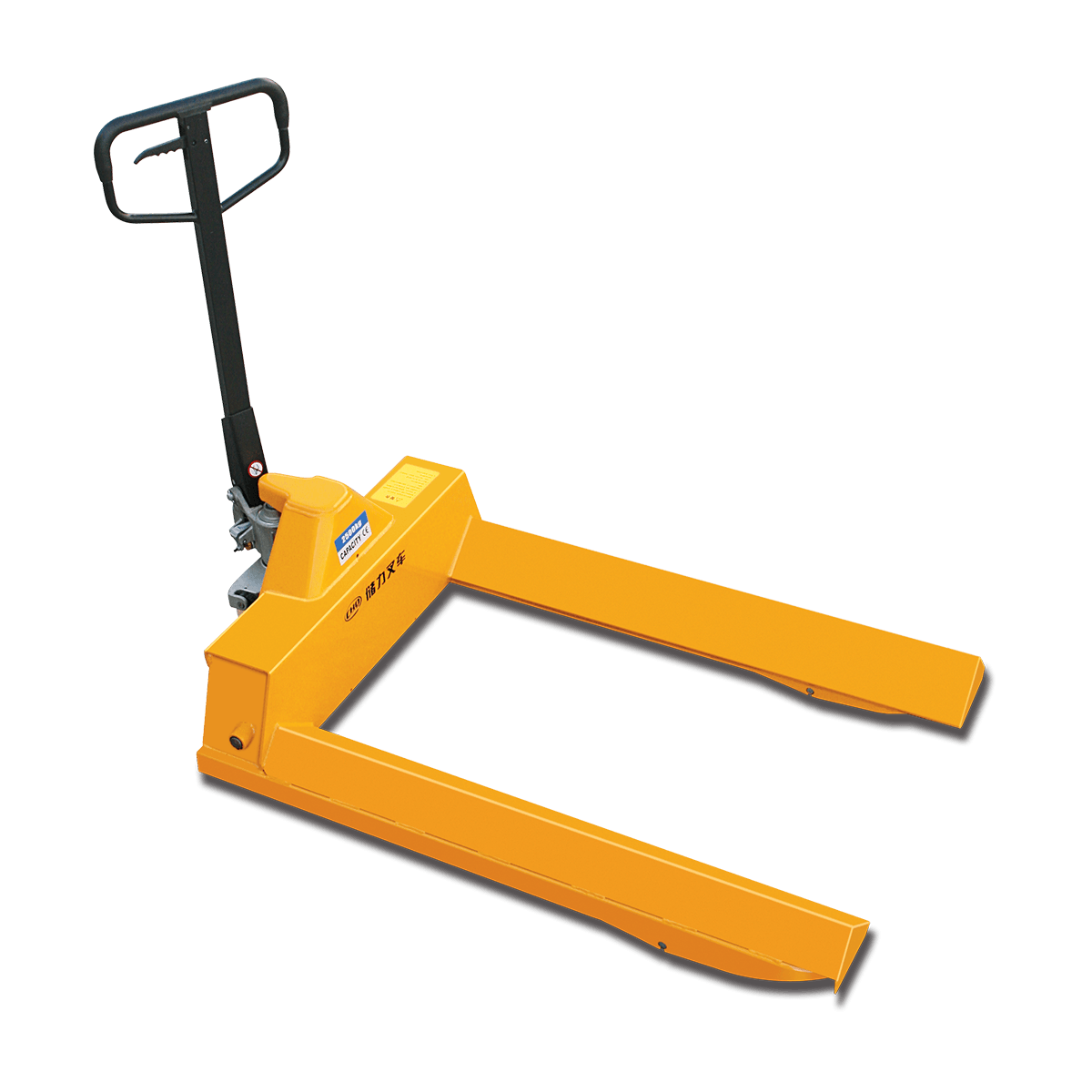
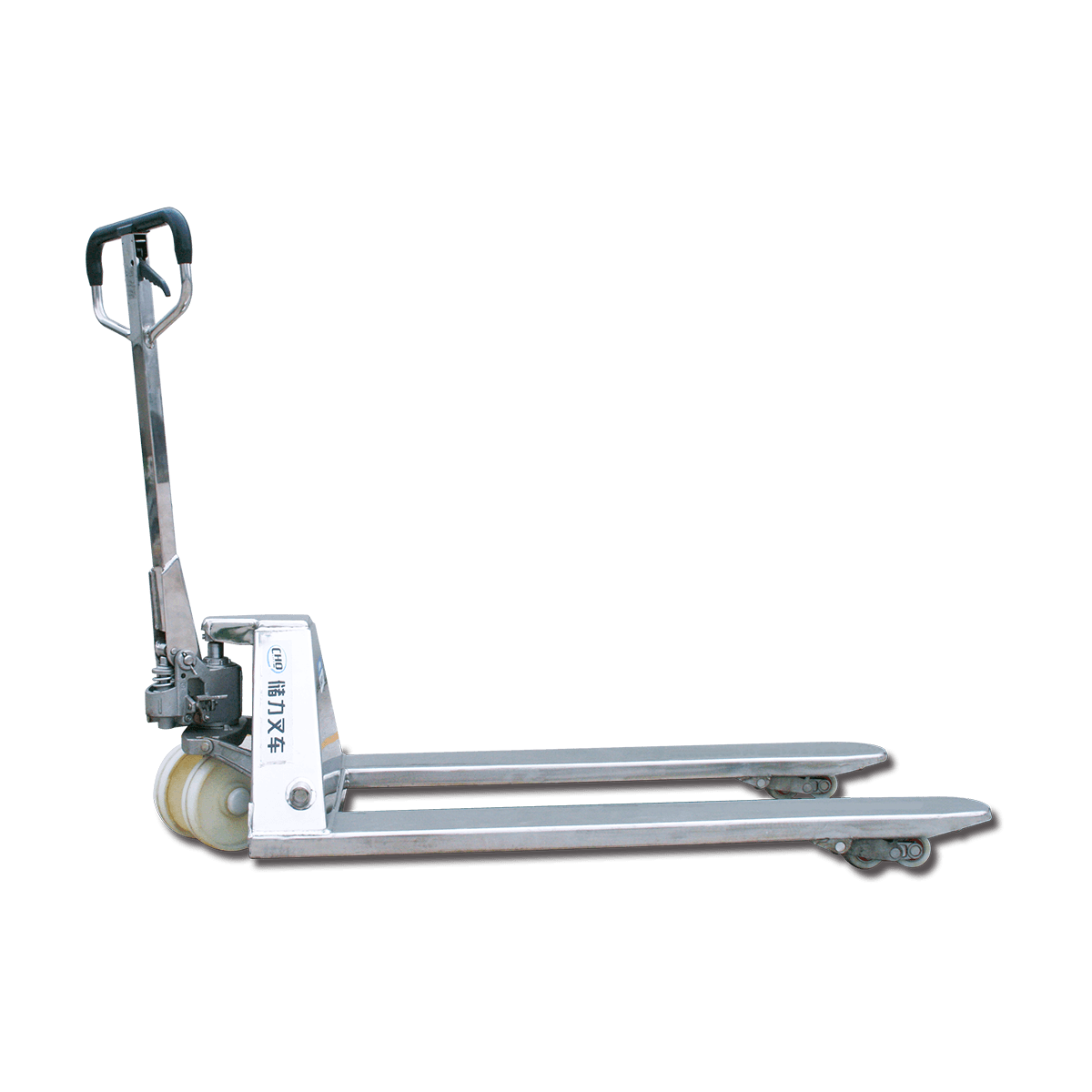
| Hand pallet truck | 520–685 mm | 1,150–1,450 mm | 1.5–3.0 t | Ground-level transport, short moves |
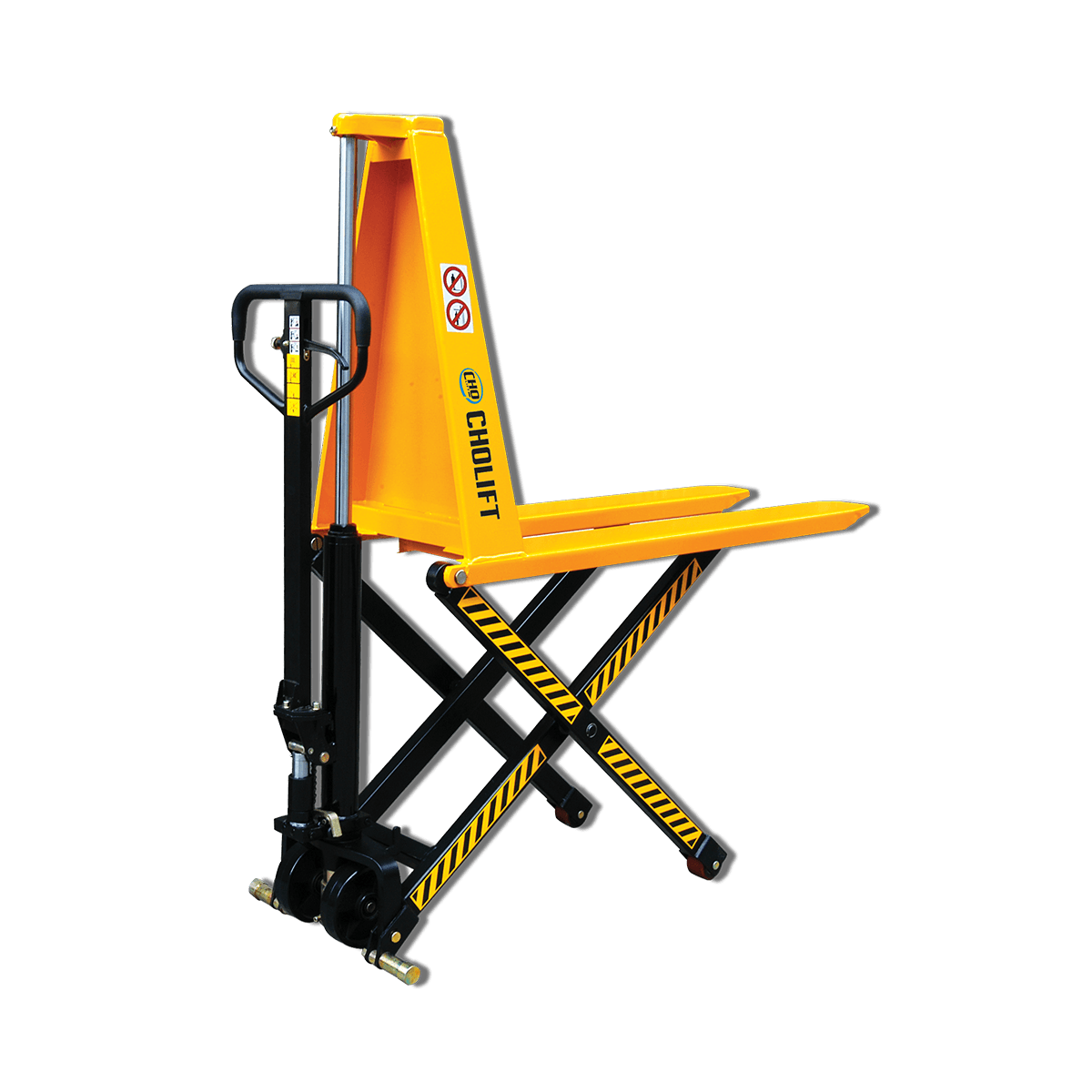
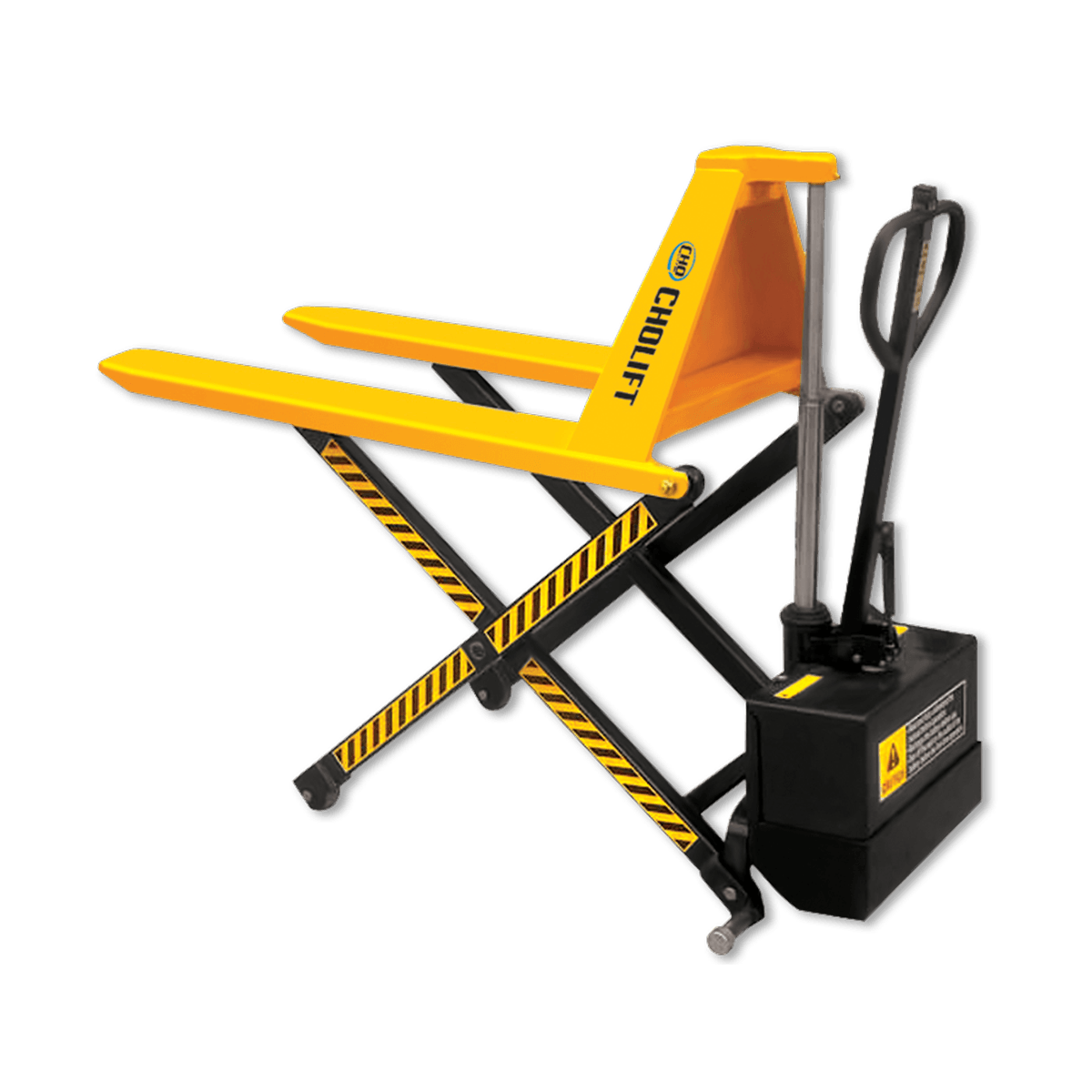
| Semi-electric stacker | 700–900 mm | 1,350–1,700 mm | 0.4–1.0 t | Low-lift stacking in narrow aisles |
| Three-point electric forklift | 1,000–1,250 mm | 2,800–3,400 mm | 1.0–2.0 t | Narrow aisles, lighter loads |
| Four-point electric forklift | 1,150–1,450 mm | 3,200–3,900 mm | 1.5–3.5 t | General warehousing, heavier pallets |
| Reach stacker / reach truck | 1,250–1,500 mm | 2,700–3,200 mm | 1.0–2.5 t | High-level storage in narrow racking aisles |
Notice that capacity and width do not rise together automatically. A three-point electric forklift can offer a 1.8-ton capacity with a width under 1,200 mm, while a four-point unit with the same capacity may be 200 mm wider. That extra width buys stability but costs maneuverability. The table also shows why a hand pallet truck is not a substitute for a forklift; it has no lift height beyond the fork lowering range, so it works only for horizontal transport.
Electric forklifts also tend to be more compact than internal combustion models in the same capacity class. The battery sits low in the chassis, which lowers the center of gravity and allows a shorter wheelbase. If you operate mostly indoors, an electric three-point or four-point truck usually gives you the smallest footprint for a given load rating.
Matching Forklift Size to Aisle Width and Stacking Height
Before you compare models, measure the physical envelope of the job. Record the narrowest doorway, the tightest turning space in the racking area, and the maximum height from floor to the lowest overhead obstruction. With those three numbers, you can eliminate most unsuitable sizes immediately.
Right-angle stacking is the most demanding maneuver. In a typical pallet rack layout, a counterbalance forklift must approach the rack, insert forks, lift the pallet, and back out while turning. The minimum aisle width for this maneuver is approximately the sum of the forklift’s turning radius and the pallet length, plus a safety margin. For a three-point electric forklift, the working aisle often falls between 2.8 and 3.2 meters. A four-point model with the same capacity may need 3.5 to 4.0 meters. If your aisles are fixed at 3.0 meters, the choice is clear.
A common mistake is to focus on the width of the forklift while ignoring the turning radius. A narrow truck with a long wheelbase can still require a wide aisle to turn. Always review the manufacturer’s turning radius diagram and compare the right-angle stacking dimension, not just the overall length.
One product that answers the narrow-aisle requirement is the three-point electric forklift. It combines a compact turning radius with a width that fits through standard 1,200 mm doorways. In a real 3.0-meter aisle, it can often complete a right-angle stack with a 1,200 mm pallet without scraping the rack.
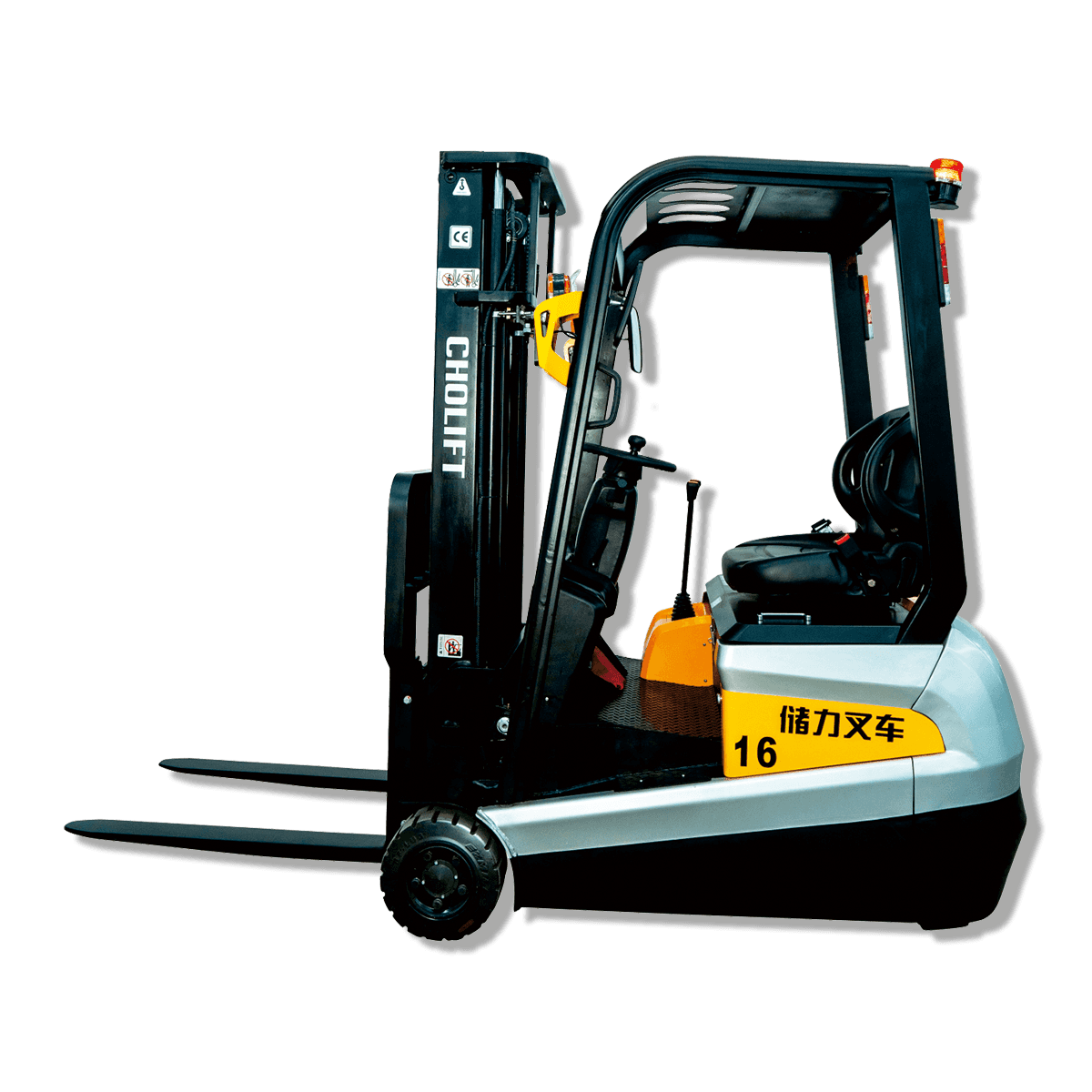 Custom Three-point electric forklift Suppliers, OEM/ODM Company - NINGBO CHOLIFNINGBO CHOLIFT FORKLIFT CO.LTD. is China custom Three-point electric forklift Suppliers and OEM/ODM Company, Standard with solid tyre, si...View Product →
Load Capacity and Load Center: Two Numbers That Change the Size You Need
Rated capacity is only true at the load center stated on the nameplate, often 500 mm from the fork face. Many operations handle loads whose center of gravity sits further out, such as long boxes or stacked drums. When that happens, the effective capacity falls. A 1.8-ton forklift with a load center of 600 mm may be safe for only 1.5 tons at 700 mm. If you do not check this, you may buy a machine that is physically small but still not safe for the actual load.
This is why a four-point electric forklift is the right size for heavy, dense, or unstable loads. The counterweight and wide wheelbase keep the capacity curve flatter. For example, a four-point model rated at 2.0 tons may still handle a 1.8-ton load when the load center extends to 600 mm, while a compact three-point unit might drop below that. The trade-off is a longer overall length and a larger turning radius, which is why you must measure the aisle anyway.
Floor loading is another size-related factor. A fully loaded four-point electric forklift can place several tons of weight through its two front wheels. Older mezzanines or upper floors may have a lower load limit, so a heavier machine could be prohibited regardless of its capacity. Always confirm the floor rating before you commit to a larger model.
For applications that need maximum stability with a wider footprint, the four-point electric forklift is the practical choice. It gives you a full set of support points, which improves operator confidence when lifting at rated height and reduces the risk of tip-over over uneven indoor surfaces.
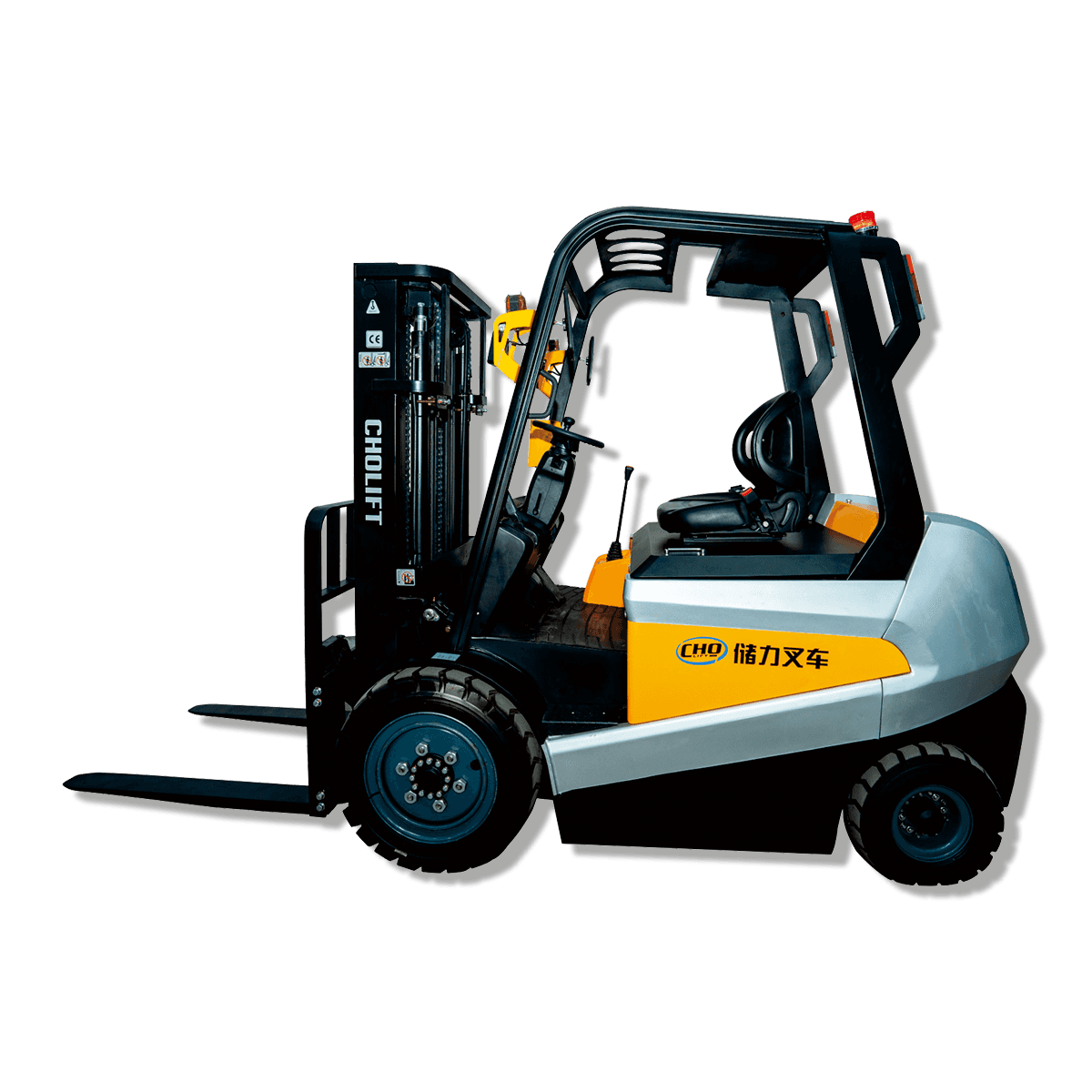 Custom Four-point electric forklift Suppliers, OEM/ODM Company - NINGBO CHOLIFTNINGBO CHOLIFT FORKLIFT CO.LTD. is China custom Four-point electric forklift Suppliers and OEM/ODM Company, AC DRIVE ADVANTAGES High effi...View Product →
A Practical Sizing Checklist for Buyers
Purchasing a forklift is easier when you have a fixed sequence of checks. Use the list below as a filter before asking for quotations.
- Measure the narrowest doorway, lift-gate opening, and corridor on the route the forklift must travel.
- Measure the aisle width at the racking section where you plan to turn with a pallet.
- Confirm the floor load rating. A fully loaded electric forklift can place several tons on a small area.
- List the heaviest load and its load center. Do not forget shrink wrapped loads that may not be perfectly centered.
- Define the maximum fork height and the lowest possible mast height for doorways.
- Check whether the turning radius fits the planned stacking space. Use the manufacturer’s drawing, not just the brochure.
- Decide between a three-point or four-point layout based on stability versus maneuverability.
- Consider future tasks such as higher racking or different pallet sizes, not just today’s operation.
When the application is high-level storage in narrow aisles, a counterbalance forklift is often too wide. A reach stacker, also called a reach truck, uses outriggers and a moving mast to lift into racks without taking up the same turning space. The full-electric reach stacker is a good example of how a compact chassis can still reach high shelf levels while keeping the right-angle stacking aisle narrow. It works well for warehouses that want high density without redesigning the whole layout.
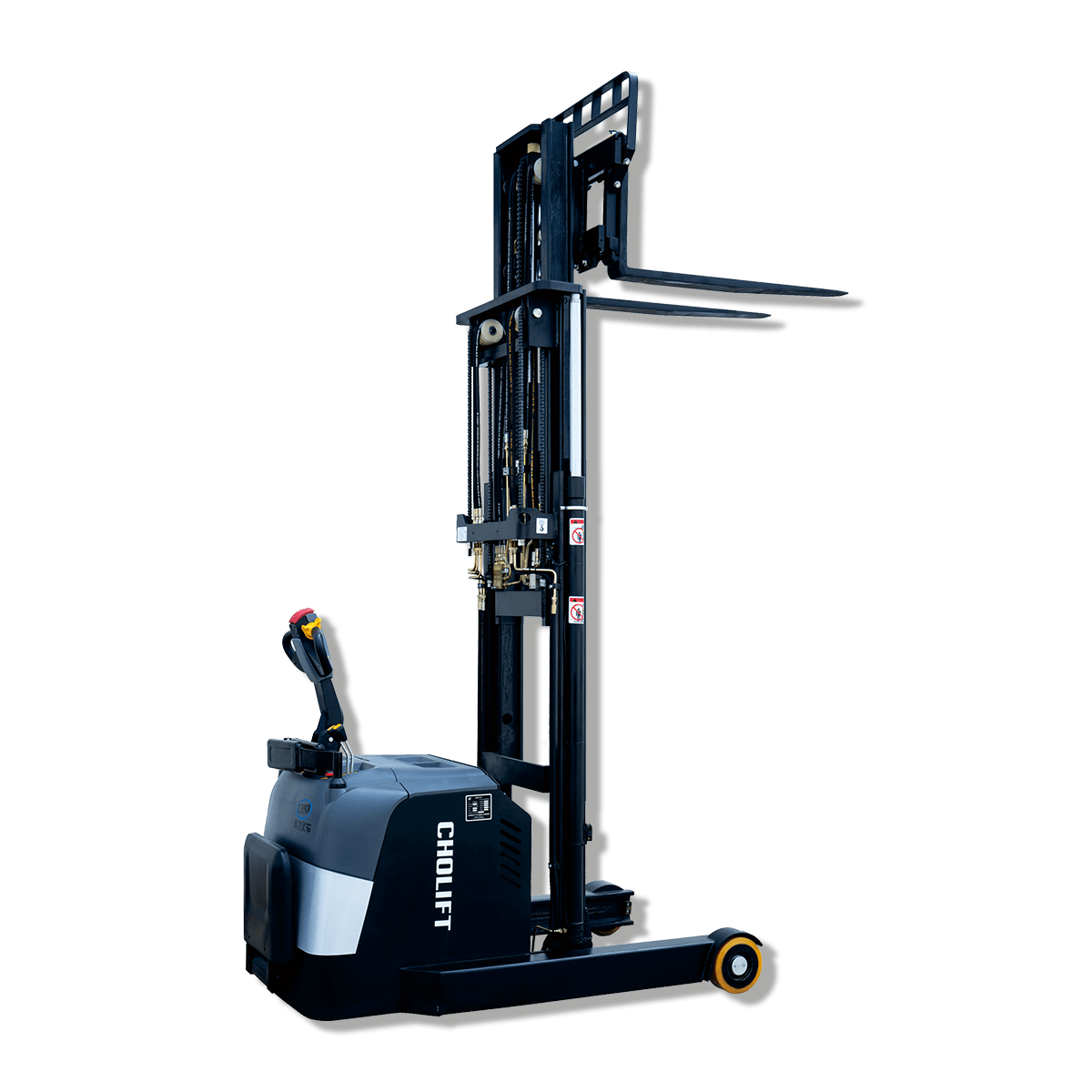 Custom Full Electric Reach Stacker Suppliers, OEM/ODM Company - NINGBO CHOLIFTNINGBO CHOLIFT FORKLIFT CO.LTD. is China custom Full Electric Reach Stacker Suppliers and OEM/ODM Company, ADVANTAGES 1.AC drive system...View Product →
Different size forklifts exist because warehouse constraints vary. Start with your physical space, then match the capacity curve, mast height, and turning radius to that reality. When you anchor the choice to clear measurements, you avoid overspending on a machine that does not fit and under-specifying one that is unsafe. If you want to compare the dimensions of our complete equipment range, start from the CHOLIFT forklift home page and review the technical drawings on each product page.