 English
 简体中文
The first fifteen minutes of a shift can save the next three hours. That is when the operator walks around the fork truck, spots a drip under the mast, and books a five-minute seal replacement instead of discovering a seized hydraulic pump at the end of a loaded aisle. A fork truck inspection checklist turns that fifteen-minute habit into a dependable system: it protects people, protects the truck, and protects the day's productivity.
Why a Fork Truck Inspection Checklist Matters
Fork trucks work around stacked loads, pedestrians, and shelving. A mechanical failure during operation is not an inconvenience; it is a safety risk. A structured checklist ensures that brakes, hydraulics, lifting chains, and warning devices are confirmed serviceable before the truck earns a single load cycle.
There is also a direct financial case. Ten minutes of inspection per shift costs far less than replacing a damaged mast assembly, repairing a battery after repeated deep discharge, or paying for downtime when a truck fails mid-shift. In operations that run two or three shifts, a truck that is inspected daily will also hold resale value better because defects are caught while they are still small.
Daily Pre-Shift Walk-Around Checks
The walk-around is the backbone of the checklist. It takes about ten minutes and follows the same route every shift, so nothing gets missed. These are the items to look at before the operator starts the engine or releases the parking brake.
Frame, Overhead Guard, and Load Backrest
Look for cracks, bent sections, and loose bolts on the main frame, overhead guard, and load backrest. The overhead guard exists to protect the operator from falling objects; any deformation is a critical finding. Also check that the counterweight is secure and that no parts have worked loose.
Forks and Mast
Forks take heavy abuse. Check each fork for straightness, surface cracking at the heel where the vertical section meets the horizontal blade, and excessive wear on the underside. Measure fork thickness if wear is visible; most manufacturers specify a minimum thickness in the service manual. Also inspect the mast rails for scoring or deformation and the lift chains for kinks, rust, or loose anchor pins.
Tires and Wheels
Solid tires wear unevenly when wheel alignment or steering geometry is off. Look for chunks missing from the tread and check that no tire has separated from its wheel. For cushion tires, confirm that the wear indicators still show enough material. Also note any debris wrapped around drive axles or caster wheels.
Fluid Leaks
Park the truck, wait a moment, and look at the floor beneath it. A few drops of hydraulic oil are normal on some machines, but a steady puddle requires attention. Newer lithium electric models have fewer fluid points than internal-combustion or lead-acid units, but hydraulic oil level and condition still need a check, and top-ups should use only the grade specified in the manual.
Daily Operational Checks at the Controls
After the walk-around, the operator should power up the truck and verify each control. Operational checks are not a performance test; they confirm that the truck is fit for the shift ahead.
Brakes, Parking Brake, and Steering
Test service brakes at low speed in both directions. The truck should stop smoothly without pulling to one side. Engage the parking brake on a slope and confirm the truck stays put. Steering should be responsive, with no excessive free play or grinding noises.
Horn, Lights, and Warning Devices
A horn that does not sound or a reversing alarm that fails is a safety issue, especially in busy warehouses. Check headlights, work lights, and any blue spot or warning light. The operator must be able to signal presence and see the working area clearly.
Hydraulic Lift, Tilt, and Attachments
Run the mast through a full lift and tilt cycle. Listen for jerky movement, whining, or knocking. Check that the forks raise and lower at an acceptable speed and that the tilt responds without hesitation. If the truck has attachments such as a side shifter or fork positioner, test each one and look for leaks around the hoses.
Battery and Electrical System
For electric fork trucks, check the battery charge indicator, cable condition, and connector. On lead-acid models, confirm the water level is above the plates unless the battery is maintenance-free. On lithium models, verify the charge status and that the display reports no fault codes. Battery checks are fast but prevent the most common cause of mid-shift failure.
Electronic safety systems such as operator presence detection, load monitoring, and emergency stop also belong on the checklist. Operators should verify that warning indicators light up and that the truck refuses to travel when the operator leaves the seat. If you are building a checklist for electric models, it is worth reviewing the safety features of modern electric forklifts before you finalize the form.
Weekly and Monthly Inspection Items
A daily checklist catches developing wear, but some components need a closer look at longer intervals. Weekly checks take about thirty minutes and can be done by a trained operator or maintenance technician. Monthly inspections are more detailed and usually involve removing covers, measuring wear, and checking adjustments.
| Frequency | Inspection item | What to verify |
|---|---|---|
| Weekly | Wheel nuts and bolts | Torque per manufacturer specification |
| Weekly | Lift chain tension | Equal tension on both sides; no stretched links |
| Weekly | Hydraulic oil level | Within range at operating temperature |
| Monthly | Mast and carriage wear | Rollers, stops, and mast channel surfaces |
| Monthly | Fork heel cracks | Dye penetrant or magnetic particle test on high-use forks |
| Monthly | Brake adjustment | Wear limits on pads, shoes, and linkage |
| Monthly | Battery terminals | Clean, tight, and corrosion-free |
| Monthly | Safety decals and nameplate | All markings present and legible |
These intervals are a starting point. If the truck operates in dusty, wet, or heavy-impact conditions, shorten the intervals accordingly.
Recording and Acting on Inspection Results
A checklist that is not recorded is only a memory. Operators should complete a printed or digital form each shift and submit it before the truck moves. The form should list every check with a pass or fail box and a comment area for anything unusual.
When a defect is found, classify it. A minor issue such as a low tire or small leak can be entered into the maintenance schedule. A major issue such as a damaged fork or leaking hydraulic cylinder should stop the truck until the part is replaced. A critical issue involving the overhead guard, forks, brakes, or lift chain requires immediate removal from service. Make sure the operator knows that reporting a defect is always the right call, even if it means the shift uses a different truck.
Matching the Checklist to Your Fork Truck Type
The basic checklist applies to every counterbalanced forklift, but other equipment in the fleet needs its own additions. Electric pallet trucks need checks on the tiller arm, steering buttons, and pallet entry width; stackers need extra attention on mast stability and load wheels; ride-on forklifts need seat restraints and arm protection verified.
For counterbalance electric forklifts, pay extra attention to the battery compartment, drive motor, and controller cooling. A solid four-point electric forklift with the correct load capacity and stable steering geometry gives the operator predictable behavior, which makes inspection results more consistent.
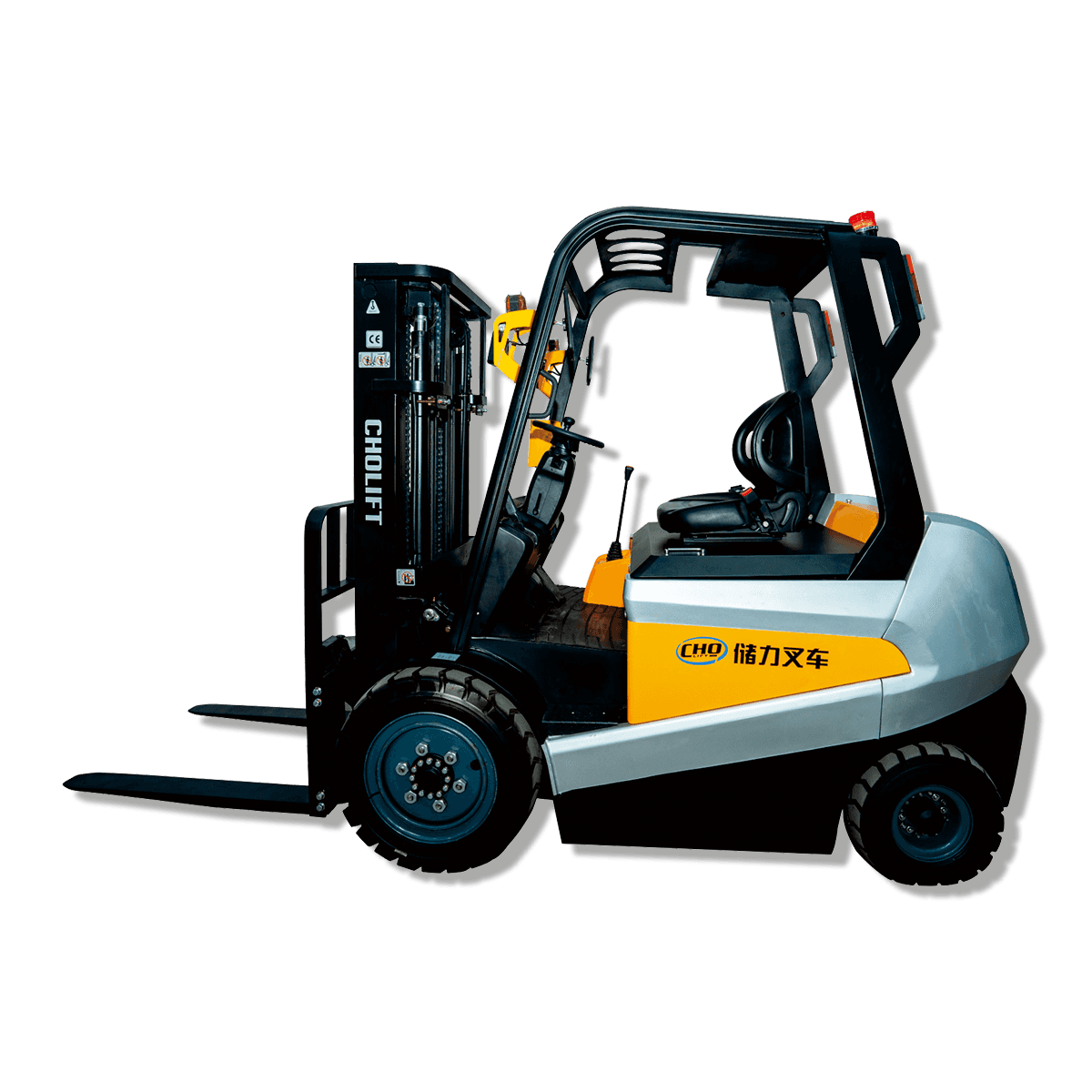 Four-Point Electric Forklift with Multiple Load CapacitiesThis forklift, available in CPD16/CPD20/CPD20A/CPD25 models, offers predictable steering and stable geometry, making it relevant for consistent inspection of battery, motor, and controller conditions.View Product →
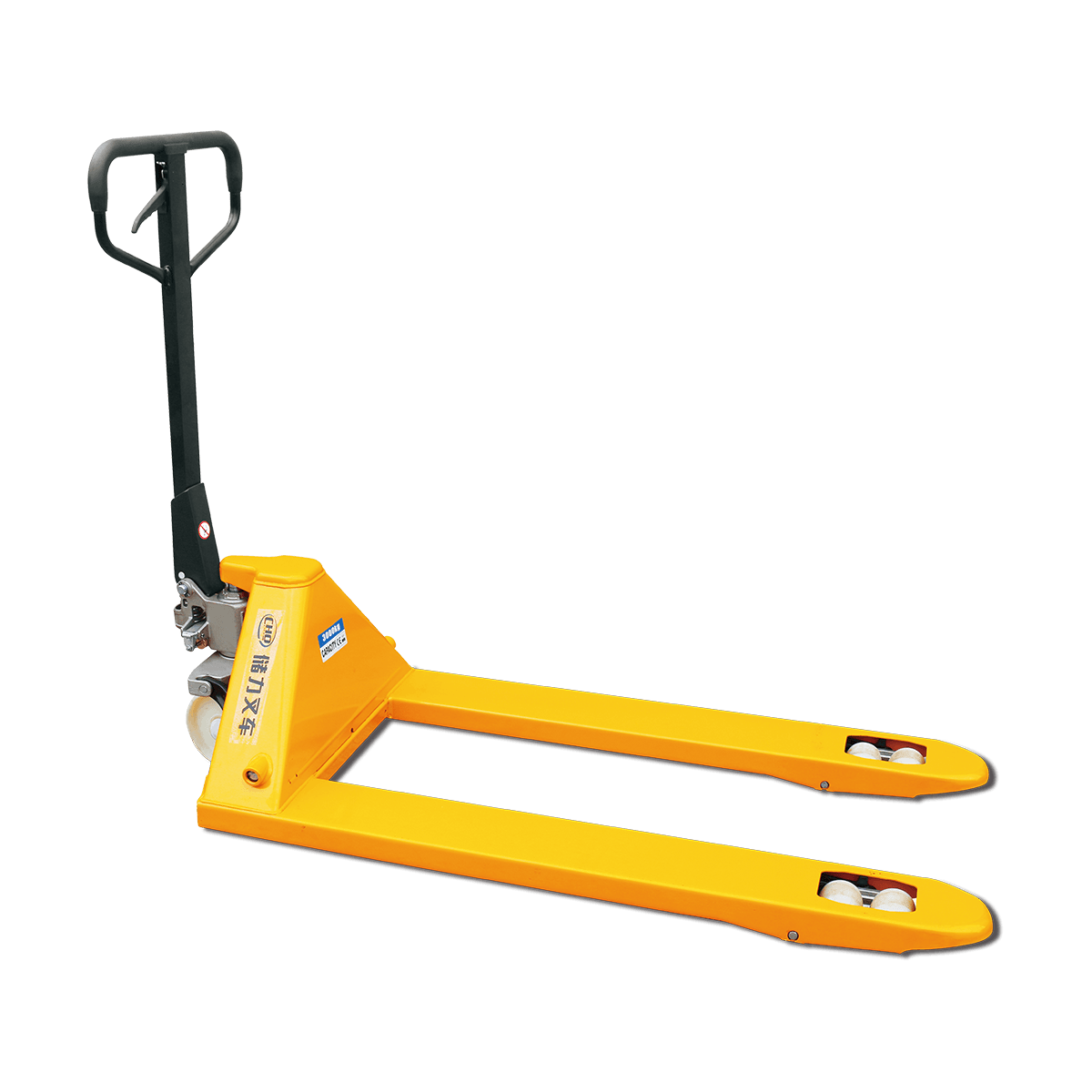
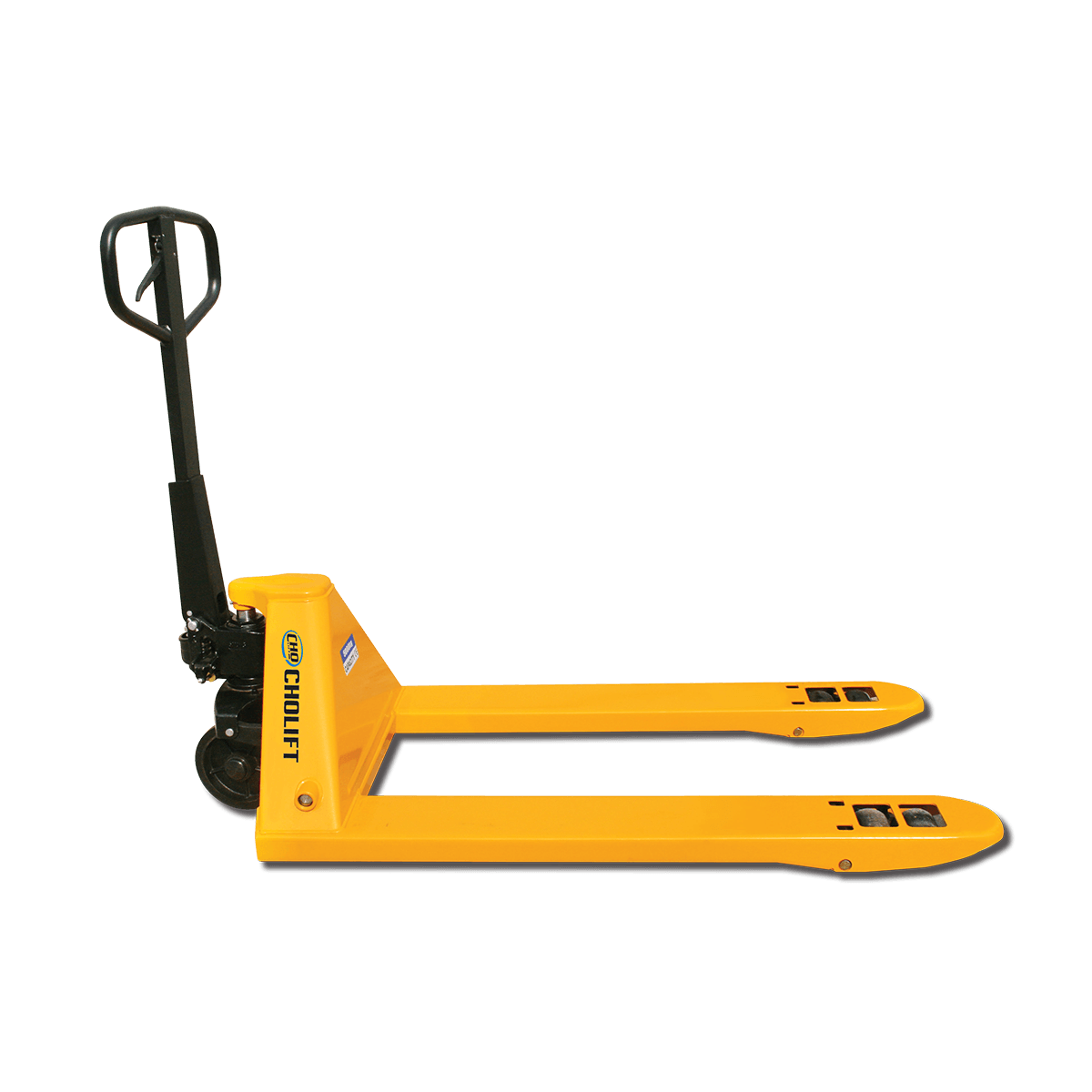
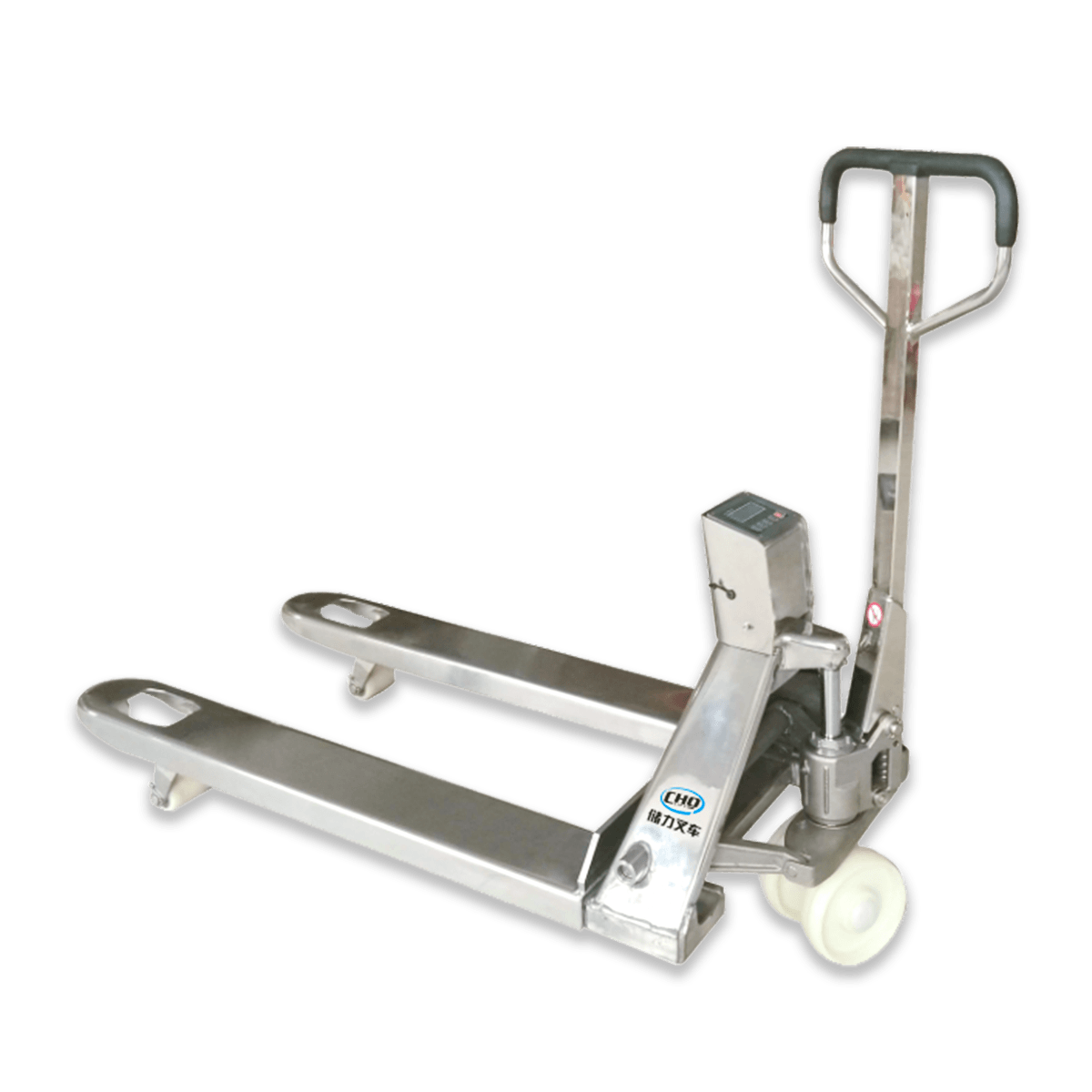
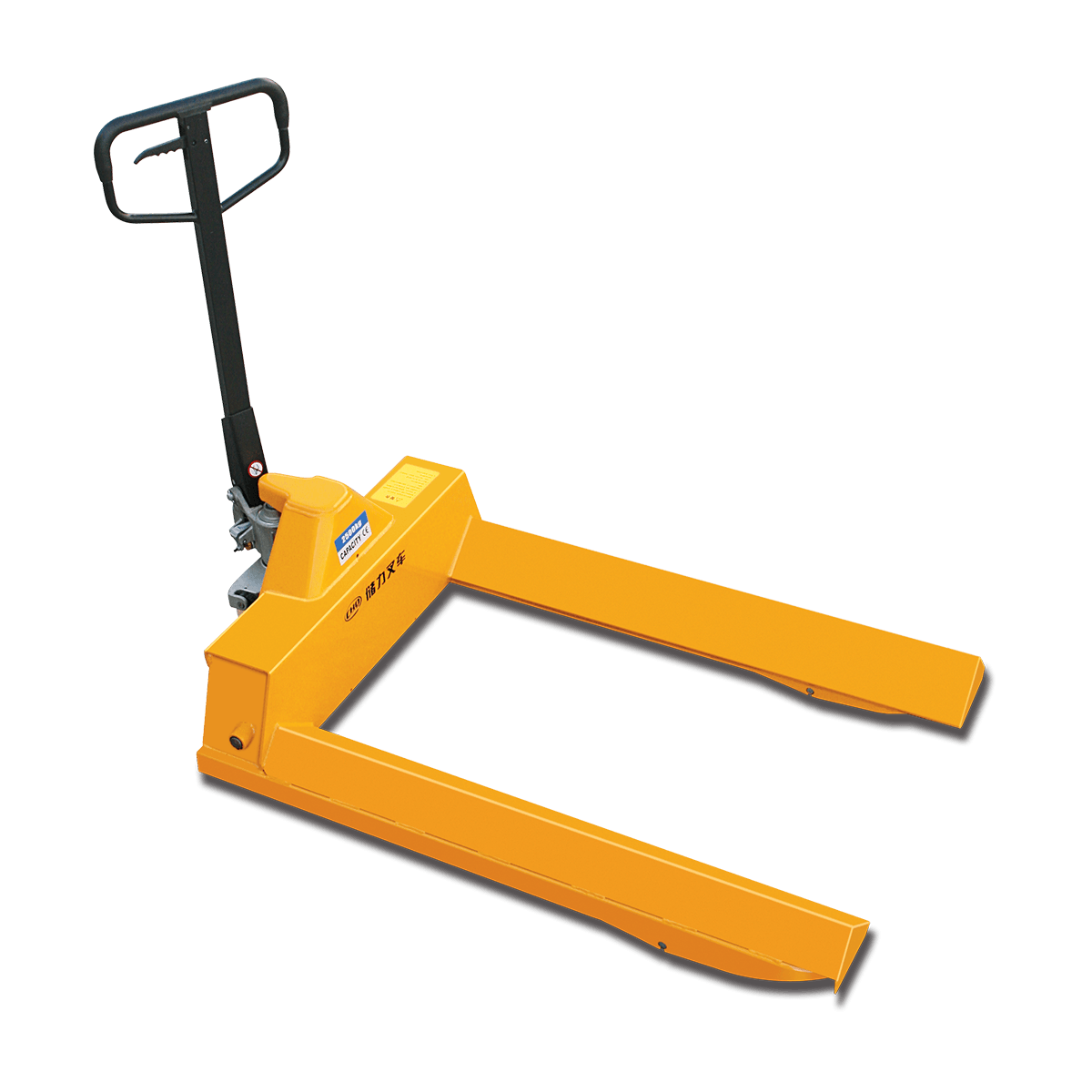
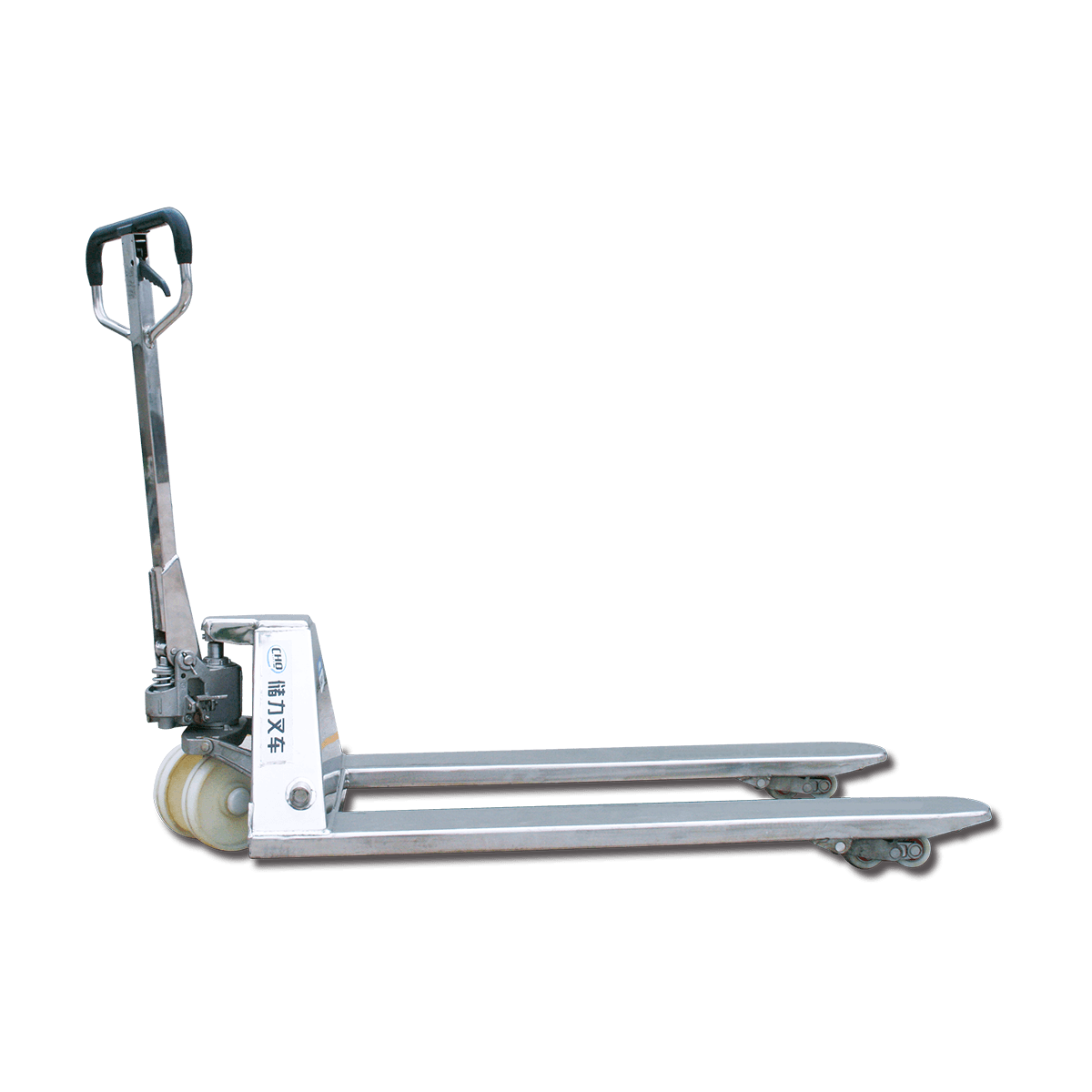
Pallet trucks have fewer moving parts, but their wheels and hydraulic unit still deserve daily attention. On electric pallet trucks, check the battery state, brake coil operation, and the quality of movement under load. Lithium pallet trucks reduce daily battery chores because they have no watering or equalizing charge step, which is one reason they are becoming popular in multi-shift warehouses.
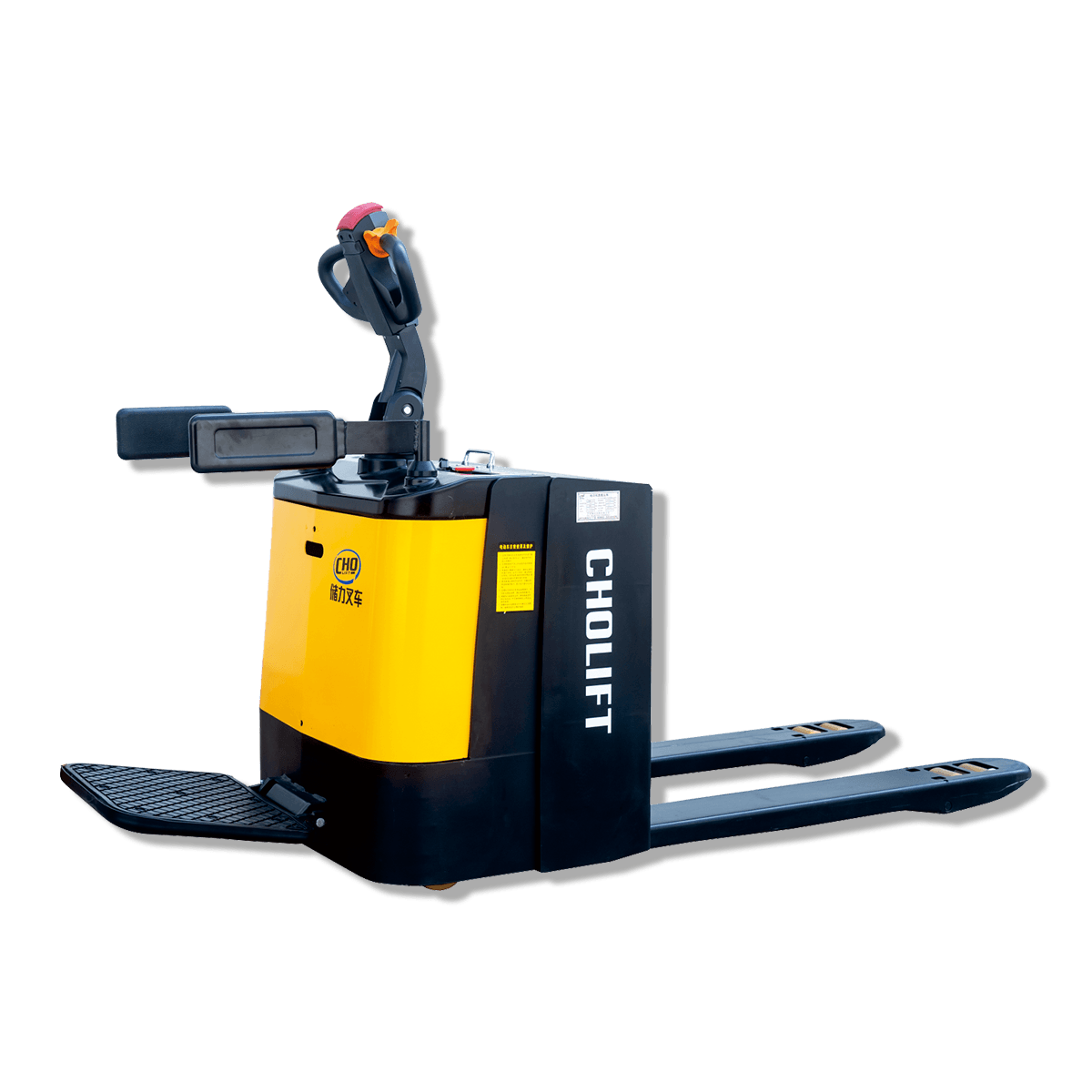 48V Lithium Electric Pallet TruckThis lithium-powered pallet truck eliminates watering and equalizing charge steps, reducing daily battery maintenance—ideal for multi-shift operations seeking reliable movement under load.View Product →
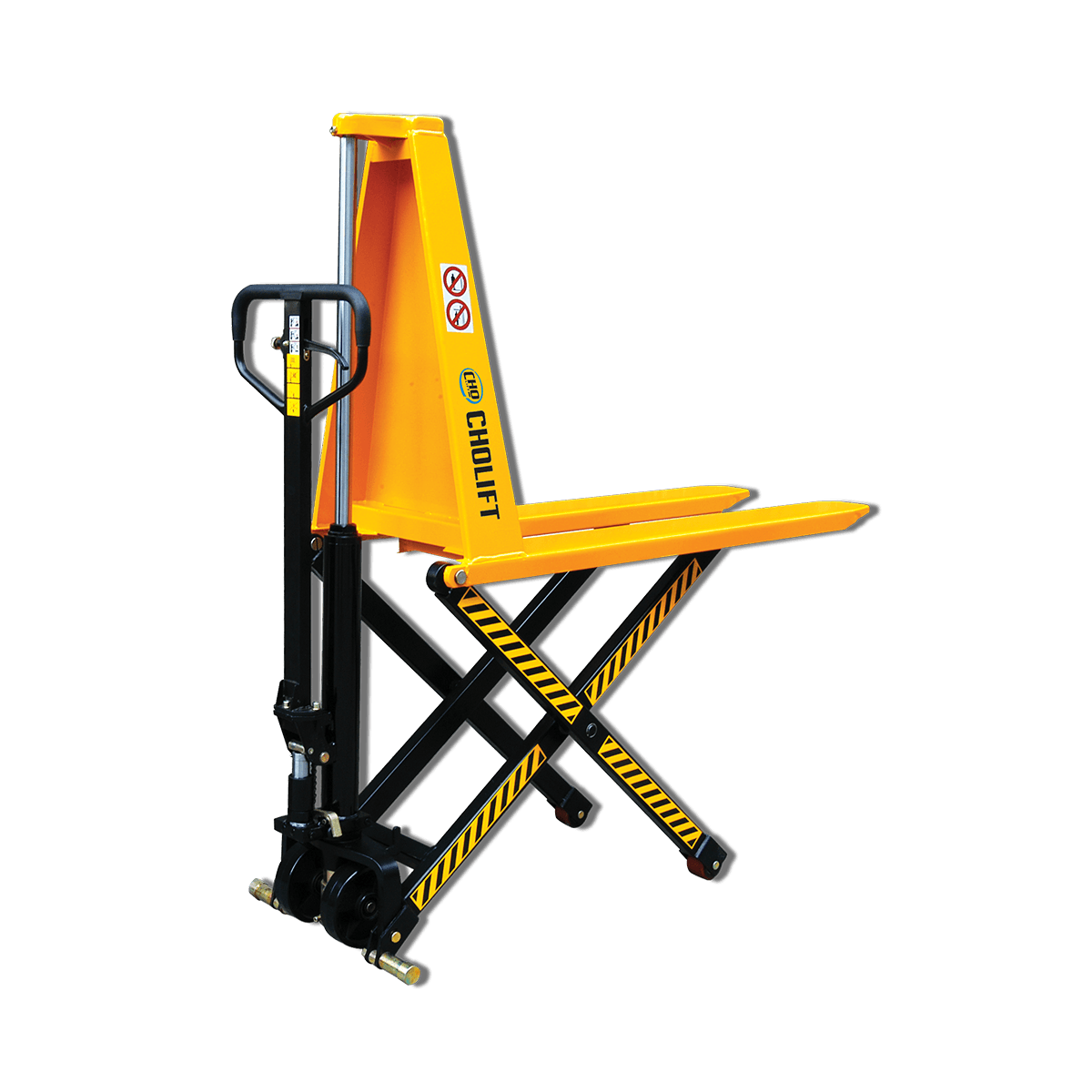
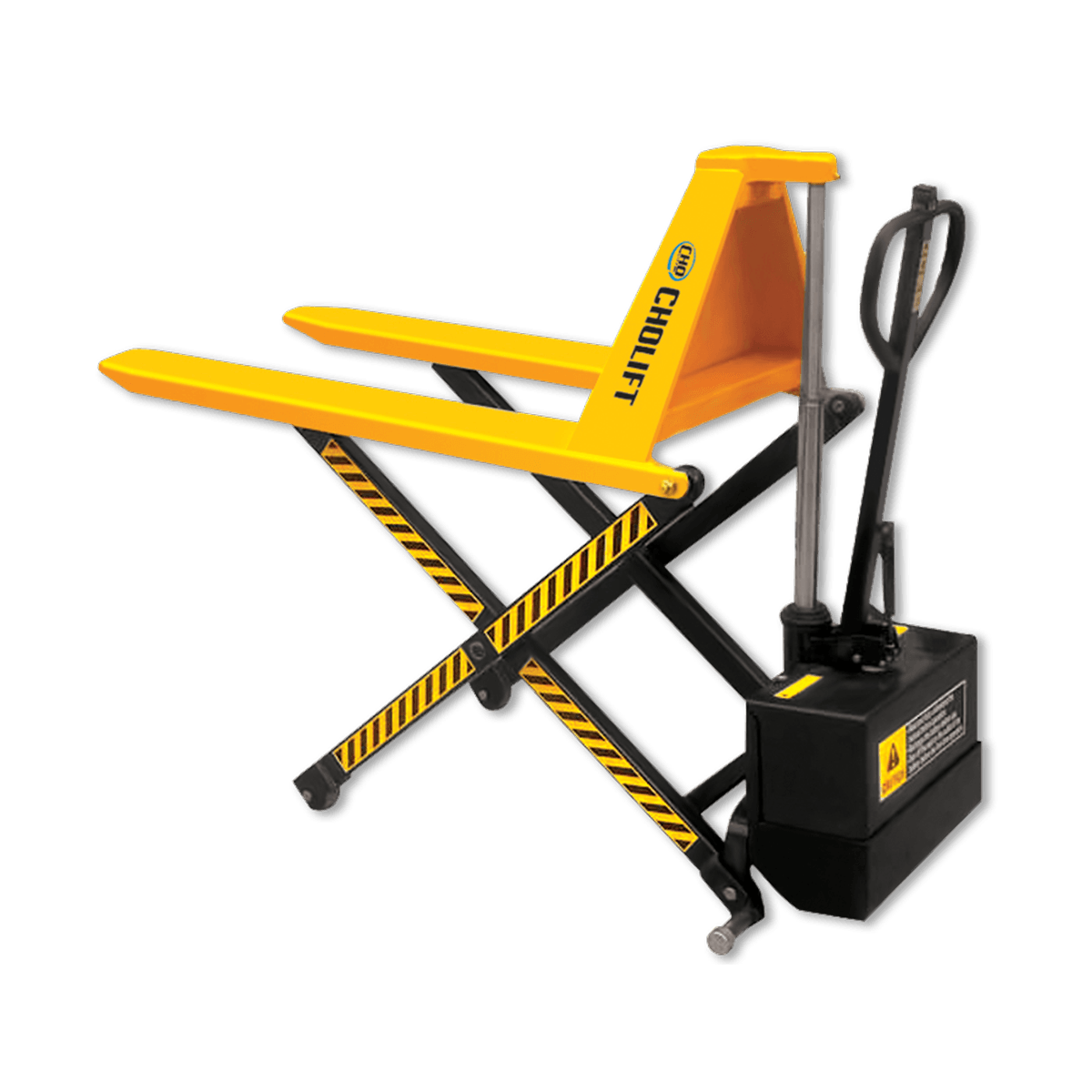
For stackers, lift chains, mast rollers, and base legs take heavy stress. Since stackers lift loads higher than typical pallet trucks, even small hydraulic leaks become dangerous at height. Include a load test at full lift height in the weekly routine.
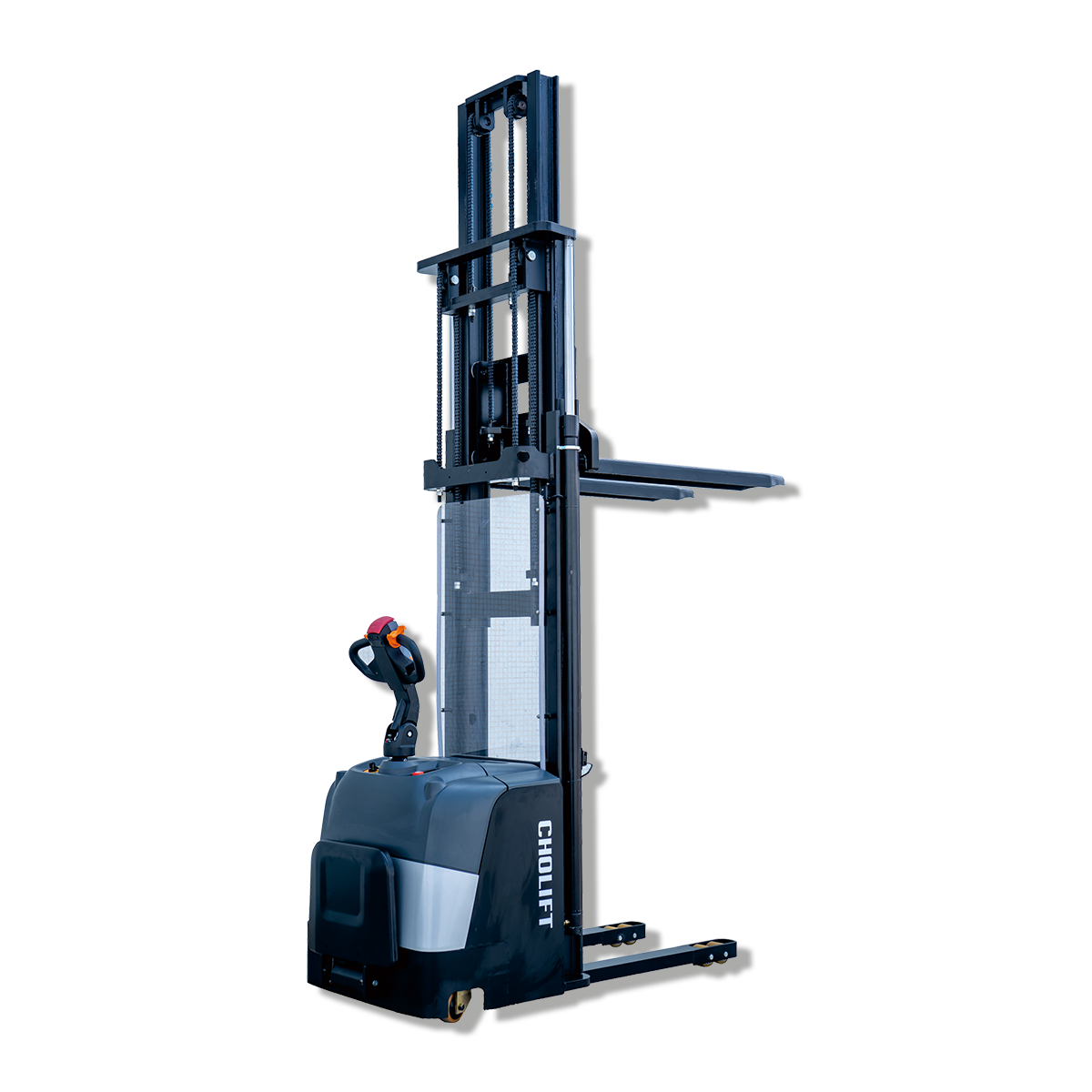 High Lift Electric Stacker with Extended Mast HeightsWith lift heights up to 6050 mm and multiple mast options, this stacker demands attention to chains and hydraulic integrity, supporting safe load tests at full height.View Product →
Common Findings and How to Respond
The same problems appear again and again in inspection records:
- Hydraulic fluid leaks around cylinder seals. Caught early, a seal kit solves the problem; ignored, the leak destroys the cylinder and contaminates the floor.
- Worn or damaged tires, especially on trucks that turn in narrow aisles. Uneven wear often signals alignment issues or overloading.
- Stretched or rusty lift chains, which should be replaced in pairs rather than individually.
- Battery faults: low water on lead-acid units, low charge, or loose terminals. Lithium units produce fewer of these faults but still need regular cable inspections.
- Damaged forks from impacts with racks or ground-level obstructions. A bent fork is a critical finding, not a cosmetic one.
Responding consistently to these findings is what separates a maintenance program from a paper exercise. Set a weekly review of inspection sheets and a target for closing open items within a defined number of working days.
Over time, a well-kept inspection record also guides better purchasing choices. When you know which components wear fastest in your operation, you can specify trucks with easier service access and more durable parts. CHOLIFT's material handling equipment, from hand pallet trucks to electric forklifts, is designed with that kind of serviceability in mind. A good inspection program protects the equipment you already own, and the same daily discipline makes every future addition to the fleet more predictable.