
 English
 简体中文
简体中文.png?imageView2/2/w/1500/h/1500/format/png/q/100 "ECONOMIC ELECTRIC PALLET STACKER")
ECONOMIC ELECTRIC PALLET STACKER
Full-Electric Stackers Manufacturers
.png?imageView2/2/w/1500/h/1500/format/png/q/100 "PLATFORM ELECTRIC STACKER")
.png?imageView2/2/w/1500/h/1500/format/png/q/100 "HIGH LIFT ELECTRIC STACKER")
.png?imageView2/2/w/1500/h/1500/format/png/q/100 "Scissor Electric Stacker")
.png?imageView2/2/w/1500/h/1500/format/png/q/100 "Full Electric Reach Stacker")
.png?imageView2/2/w/1500/h/1500/format/png/q/100 "Counter Balance Stacker")
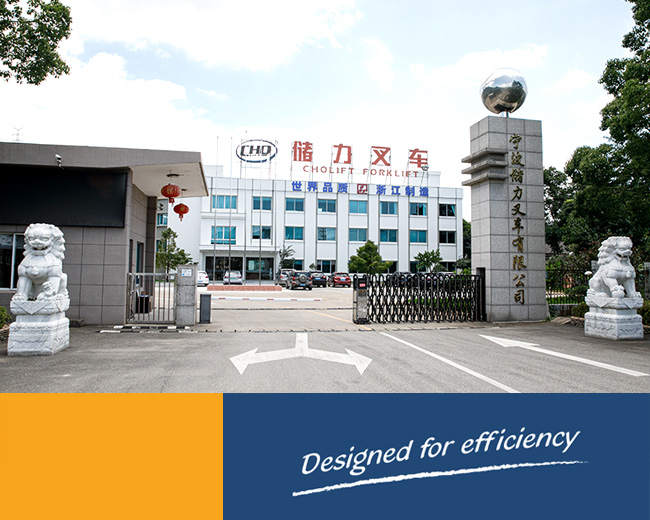
Who we are
WELCOME TO CHOLIFT!
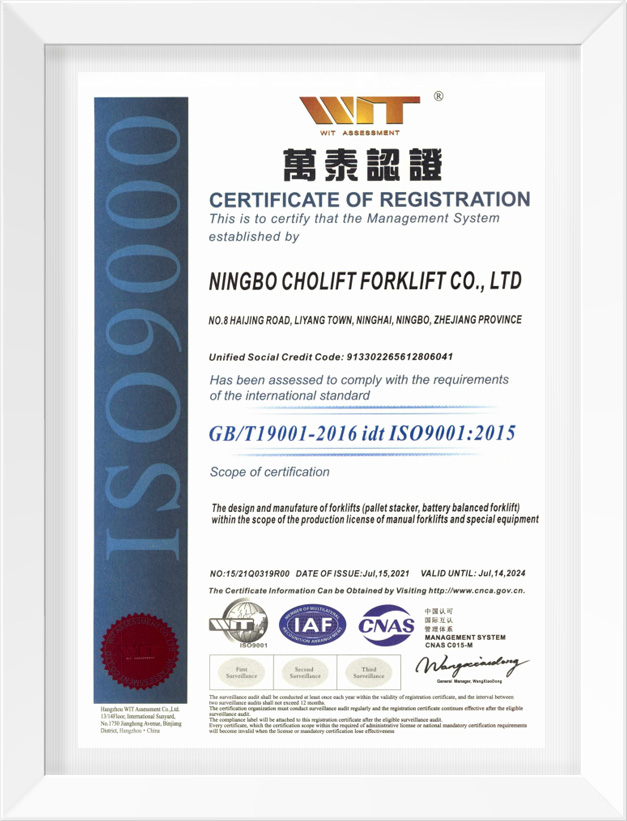
NINGBO CHOLIFT FORKLIFT CO.LTD. is a famous China Full-Electric Stackers Manufacturers and custom Counterbalance Stackers factory. At the same time, it is a professional manufacturer of large-scale production of storage material handling equipment and related industrial vehicles. Our company is located in Ninghai, which has a forest coverage rate of 62.5% and is known as a natural oxygen bar. With a factory area of 65,000 square meters, more than 300 employees, and fixed assets of more than 200 million yuan, we have strong comprehensive strength. "CHOLIFT Forklift" and "CHOLIFT" are the trademarks of the company's products, and we have passed and implemented the ISO9001 quality system standard. "Credit first" is the quality tenet, all products are strictly tested by ISO-related standards, and CE and GS certifications have been carried out by third-party certification companies.
Our Certification
A technical team specializing in the design and manufacture of industrial vehicles supports the development of the enterprise, and we have a number of patents of the Self-developed products. We adhere to the concept of human-centred design, and adopt international advanced technical indicators, and pursue the purpose of leading technology throughout the process.
-
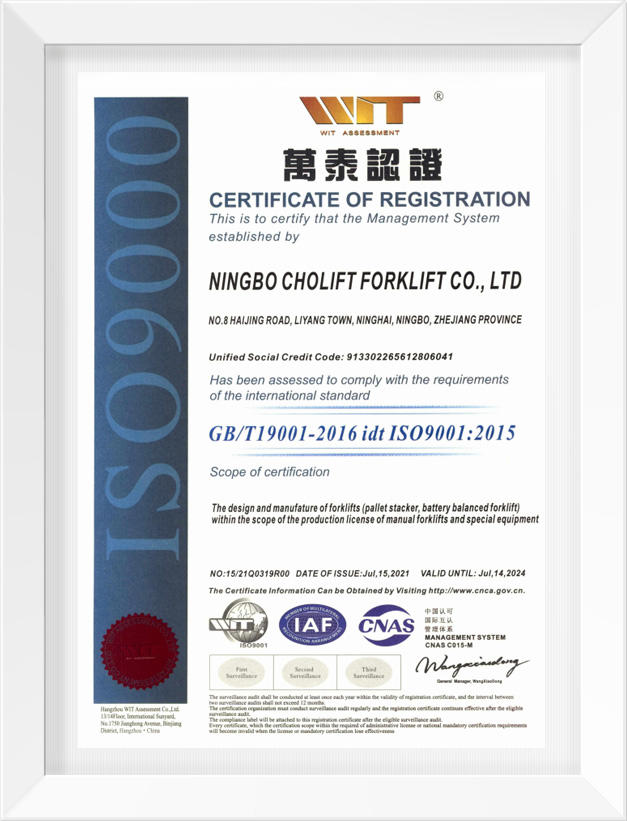
ISO9000
-
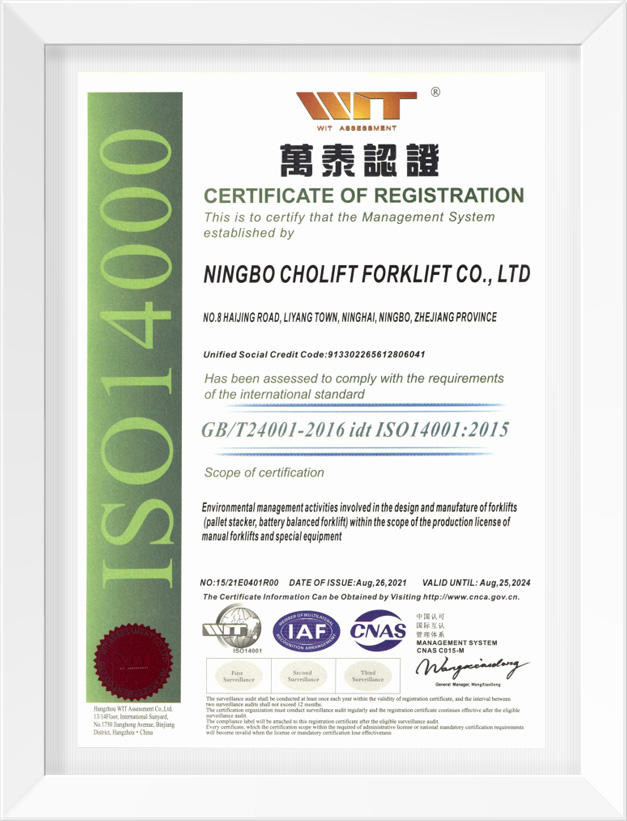
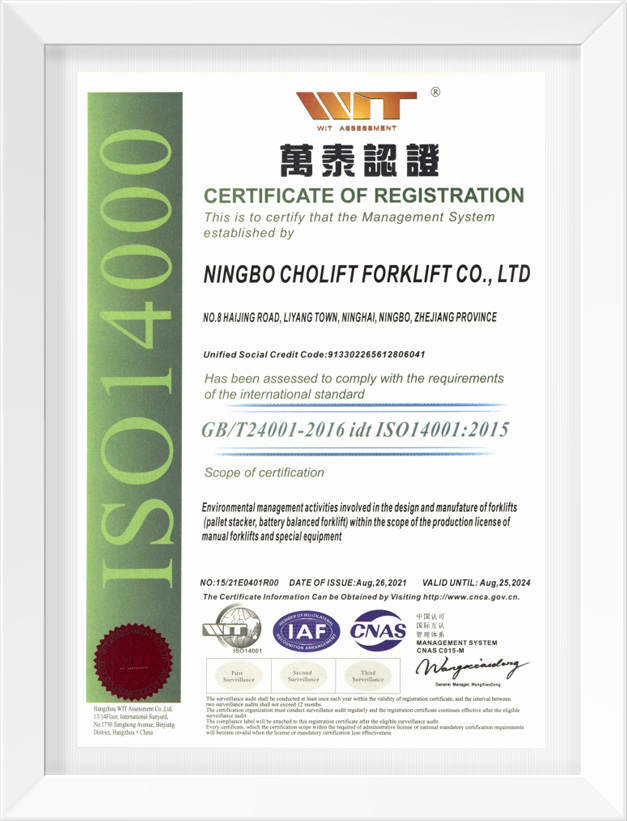
ISO14000
-
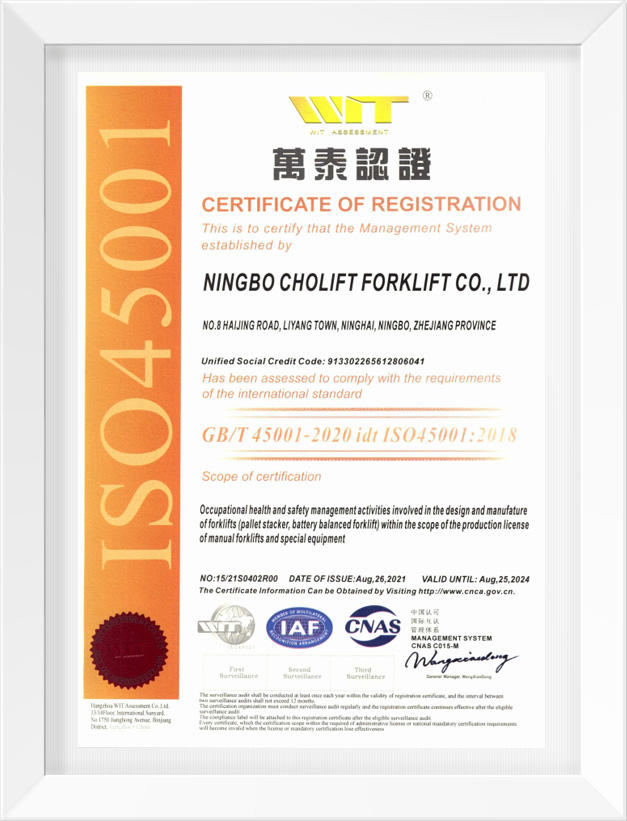
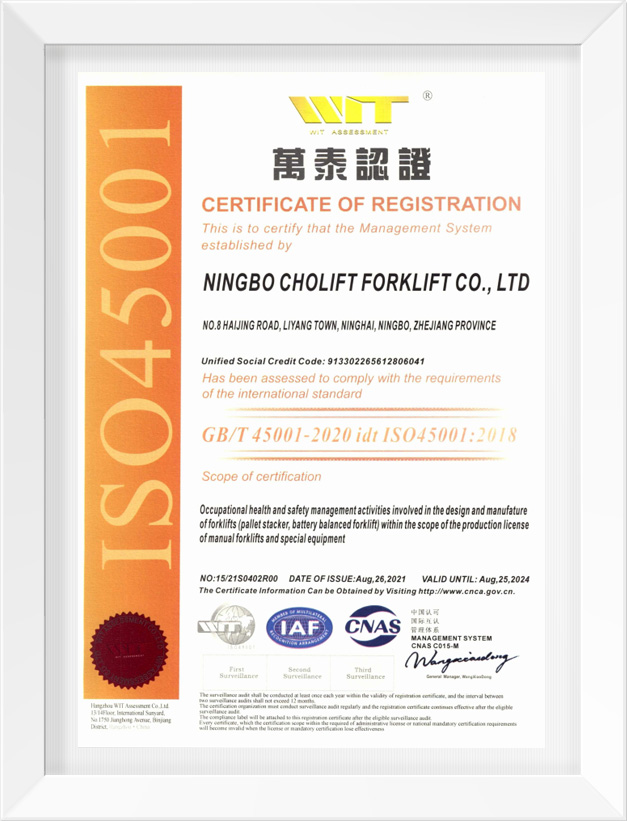
ISO45001
Related News
Industry knowledge extension of this category
Introduction to Full-Electric Stackers
Full-electric stackers, also known as electric pallet stackers, are a remarkable advancement in material handling equipment. These versatile machines are designed to lift and transport heavy loads in warehouses, distribution centers, manufacturing facilities, and various other industrial settings. Unlike their conventional counterparts, full-electric stackers are powered solely by electricity, eliminating the need for manual effort or fossil fuel-based engines. With their numerous benefits, these stackers have gained popularity as a cost-effective and eco-friendly solution for optimizing productivity and ensuring workplace safety.
Key Features and Advantages of Full-Electric Stackers
Full-electric stackers offer several key features and advantages that contribute to their efficiency and safety:
1.Electric Powertrain: Full-electric stackers are equipped with electric motors that provide smooth and quiet operation. This powertrain eliminates the emissions associated with traditional combustion engines, making them environmentally friendly and suitable for indoor use. The absence of exhaust fumes also enhances the air quality within the workspace, promoting a healthier and more comfortable working environment.
2.Ergonomic Design: Manufacturers prioritize ergonomic design in full-electric stackers to enhance operator comfort and minimize the risk of workplace injuries. The ergonomic design also enhances visibility, allowing operators to have a clear view of their surroundings, thereby reducing the chances of accidents and collisions.
3.Versatile Lifting Capacities: Full-electric stackers come in various models with different lifting capacities, allowing businesses to choose the stacker that best suits their specific requirements. From low-level lifting for lightweight loads to high-level lifting for heavier loads, these stackers provide the flexibility to handle a wide range of materials, such as pallets, containers, and bulky items. This versatility enhances operational efficiency by streamlining material handling processes.
Eagerly Anticipates the Market Tidal Current, Guiding The Consumption Concept.


Copyright © NINGBO CHOLIFT FORKLIFT CO.LTD. all rights reserved. Custom Counterbalance Stackers Factory